
Course Details
Your Growth, Our Mission
Course Description
A properly designed and effective performance management process will require a range of techniques including agreeing objectives, reviewing and monitoring performance, giving feedback, coaching, training and development and reward and of course, appraisal itself. The course will demonstrate how these techniques link to the role of HR and the role of the line-manager. This course is focused on both the theoretical and the practical.
The Training Course Will Highlight ?
You will learn:
- How to design and introduce an effective performance management scheme
- The skills that managers, supervisors and team leaders need to be effective in performance management
- Making performance appraisal work in a multi-cultural environment
- Managing and improving poor performance
- Maintaining good performance – the psychology of positive reinforcement
- Advanced performance management
Training Objective
By the end of this course, delegates will be able to:
- A properly designed and effective performance management process will require a range of techniques including agreeing objectives, reviewing and monitoring performance, giving feedback, coaching, training and development and reward and of course, appraisal itself. The course will demonstrate how these techniques link to the role of HR and the role of the line-manager. This course is focused on both the theoretical and the practical. You will learn:
- How to design and introduce an effective performance management scheme
- The skills that managers, supervisors and team leaders need to be effective in performance management
- Making performance appraisal work in a multi-cultural environment
- Managing and improving poor performance
- Maintaining good performance – the psychology of positive reinforcement
- Advanced performance management
Target Audience
All Line Managers and Professionals, Team Leaders, Supervisors who are or will be responsible for the use and application of performance management and appraisal techniques, HR; ER or Personnel Staff, Training Officers
Training Methods
This interactive Training will be highly interactive, with opportunities to advance your opinions and ideas and will include;
- Lectures
- Workshop & Work Presentation
- Case Studies and Practical Exercise
- Videos and General Discussions
Daily Agenda
Introduction to Performance Management
- Introduction – the context for performance management
- The case for performance Management
- Strategic and integrated performance management
- The principles and building blocks of effective performance management : setting objectives, identifying the key performance indicators and managing employee performance
- The role of HR, managers, supervisors and team leaders within performance management
- Motivational theories and models and their role in performance management
- The psychological contract an exercise
Performance Management: Setting Objectives
- What are objectives?
- Setting objectives
- The importance of agreeing objectives
- Quantitative and Qualitative objectives
- SMARTMaC objectives
- Setting objectives
- Achieving vertical, functional and horizontal integration
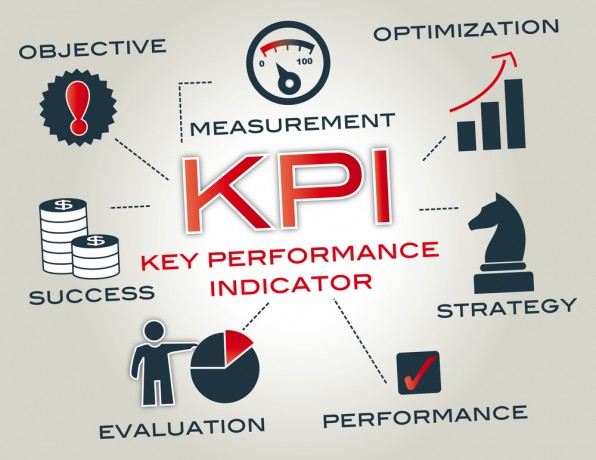
Performance Management: Key Performance Indicators (KPI's)
- What are KPIs – different things to different organizations?
- The objective and the KPI – what’s the difference?
- What are the KPIs for your organization
- KPI exercise
- The balanced scorecard (Kaplan and Norton)
- The purpose of employee appraisal
- Some practical problems with employee appraisal
Performance Management: Managing Performance
- Monitoring employee performance: monthly, quarterly and annual reviews
- Addressing the performance gap: informal and formal approaches to addressing performance problems
- Managing a performance problem
- Improving attendance at work: resolving absence and sick absence problems
- Agreeing the performance appraisal rating
- Performance appraisal and the link to pay
- Forced Ranking and the Expected Distribution
Giving and Receiving Feedback and Coaching
- Feedback models and providing constructive and developmental feedback
- Giving and receiving feedback exercise
- Coaching: the ask/tell continuum and the 8 steps to effective coaching
- Coaching case studies
- Continuing Professional Development: personal development planning (PDP)
Accreditation
BTS attendance certificate will be issued to all attendees completing minimum of 75% of the total course duration.
Quick Enquiry
Request Info
Course Rounds
5 Days| Code | Date | Venue | Fees | Action |
|---|---|---|---|---|
| MAN215-04 |
2026-11-15
|
Dubai
|
USD
5450
|
Register |
Prices don't include VAT
Related Courses
Your Growth, Our Mission
Contact Us
Contact us to meet all your inquiries and needs, as our professional team is pleased to provide immediate support and advice to ensure you achieve your goals and facilitate your experience with us in the best possible way. UAE
UAE
 Office
Mobile
Office
Mobile
 E-mail
 Working
Hours
Working
Hours