

Course Details
Your Growth, Our Mission
Course Description
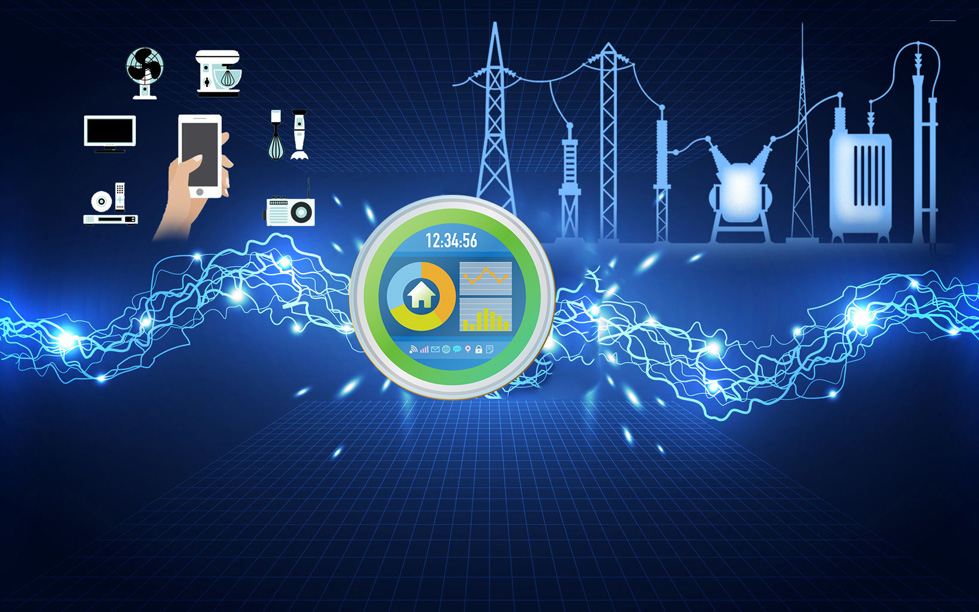
A smart grid is an electricity distribution network that can monitor electricity flowing within itself and, based on this self awareness, adjust to changing conditions. It does this by automatically reconfiguring the network and/or exerting a level of control over connected demand and generation. The development of Smart Grid is a global trend. The activities in different parts of the world reflect the regional resources and needs. We have seen large scale integration of wind generators and solar energy devices into the power grids. Very large off-shore wind farms are on the horizon. Increasingly automated and intelligent distribution systems are in operation in various countries. On the transmission side, a significant number of Phasor Measurement Units (PMUs) are now collecting a massive amount of information for monitoring of power system dynamics. Demand side response and other programs for customers’ choice are being developed and enhanced by the power industry.
The Training Course Will Highlight ?
Training Objective
Target Audience
The vast amount of knowledge as well as industry and leadership experience represented in this course will serve practicing engineers, managers, Operations Personnel, distribution engineers, instrumentation engineers, automation and control engineers, and policy makers to learn about the exciting field of Smart Grid.
Training Methods
This interactive Training will be highly interactive, with opportunities to advance your opinions and ideas and will include;
- Lectures
- Workshop & Work Presentation
- Case Studies and Practical Exercise
- Videos and General Discussions
Daily Agenda
Module-1: Vision and Strategy for the Electricity Networks of the Future
- The Drivers of Smart Grids
- The Core Elements of the European Smart Grid Vision
- Ambitious Changes of the Energy Policy in Europe and the Consequences for Smart Grids
Module-2: Smart Generation: Resources and Potentials
- New Trends and Requirements for Electricity Generation
- Volatile Renewable Energy Sources: Wind and Sun
- Cogeneration of Heat and Power Applying Renewable
- Electric Energy Storage Systems
- Enhanced Flexibility Requirements for Controllable Power Plants
Module-3: Modern Technologies and the Smart Grid Challenges in Transmission Networks
- Substations: The Network Nodes
- Control and Automation of Power Systems by Digital Technologies
- Transmission Technologies
- Present Challenges for Transmission Grids
Module-4: Design of Distribution Networks and the Impact of New Network Users
- Categories of Distribution Networks
- Primary and Secondary MV Distribution
- Network Categories for MV and LV
- Neutral Grounding Concepts
- Protection for Distribution Networks
- Distribution Network Operation
- New Trends in Distribution Systems
Module-5: Smart Operation and monitoring at the Transmission Level
- The Root Causes of Large Blackouts and the Lessons Learned
- Control Areas and System Services
- Power System Observation and Intelligent Congestion Management
Module-6: The Three Pillars of Smart Distribution
- The Relationship Between Smart Grids and Smart Markets in Distribution Systems
- Automation and Remote Control of Local Distribution Networks
- Flexibility by Virtual Power Plants: Smart Aggregation
- Smart Metering and Market Integration of the Consumers
- Communication Needs for Smart Distribution
Module-7: The Smart Energy Market
- Prospective Markets for Power Supply: A Vision and a Case Study
- Smart Services for Network Operations and Electricity Markets
Module-8: Advanced Information and Communication Technology
- Seamless Communication by Applying the Standard Series IEC 61850
- The History of Communication Development for Supervision and Control in Power Systems
- The Importance of Uniform ICT Standards for Smart Grids
- Data Management Based on the Common Information Model CIM IEC 61968/70
- Data and Communications Security IEC/TS 62351
Module-9: Smart grid communication topologies
- LAN topologies and LAN media access control techniques
- LAN standards
- Protocols: TCP/IP
- LAN extension and interconnection
- Metropolitan Area Networks (MANs)
- Wide Area Networks (WANs)
- Virtual Private Networks (VPNs)
Module-10: The Anatomy of a Smart Grid
- Core Smart Grid Technologies
- Active Network Management (ANM)
- Automatic Voltage Control
- Dynamic Line Rating (DLR)
- Intelligent Electronic Device (lED)
- Phasor Measurement Unit (PMU)
- Reactive Power Compensation
- Peripheral Smart Grid Technologies
- Distributed Generation (DG)
- Dynamic Demand (DD)
- Grid energy storage
- Microgeneration
- Smart appliances
- Smart homes
- Smart meters
- Virtual power plants (VPPs)
Module-11: Decision Support Applications
- Operator Load Flow
- Fault Calculation
- Loss Minimization
- VAR Control
- Volt Control
- Data Dependency
- Trouble Call-Based Outage Management
- Advanced Application-Based Outage Management
- GIS-Centric versus SCADA-Centric
Accreditation
BTS attendance certificate will be issued to all attendees completing a minimum of 80% of the total course duration.
Quick Enquiry
Request Info
Course Rounds
5 Days| Code | Date | Venue | Fees | Action |
|---|---|---|---|---|
| EE177-05 |
2026-12-27
|
Dubai
|
USD
5450
|
Register |
| EE177-01 |
2027-01-24
|
Dubai
|
USD
5450
|
Register |
| EE177-02 |
2027-05-24
|
Istanbul
|
USD
5950
|
Register |
| EE177-03 |
2027-07-18
|
Cairo
|
USD
5450
|
Register |
| EE177-04 |
2027-10-11
|
Kuala-Lumpur
|
USD
5950
|
Register |
Prices don't include VAT
Related Courses
Your Growth, Our Mission
Contact Us
Contact us to meet all your inquiries and needs, as our professional team is pleased to provide immediate support and advice to ensure you achieve your goals and facilitate your experience with us in the best possible way. UAE
UAE
 Office
Mobile
Office
Mobile
 E-mail
 Working
Hours
Working
Hours