
Course Details
Your Growth, Our Mission
Course Description
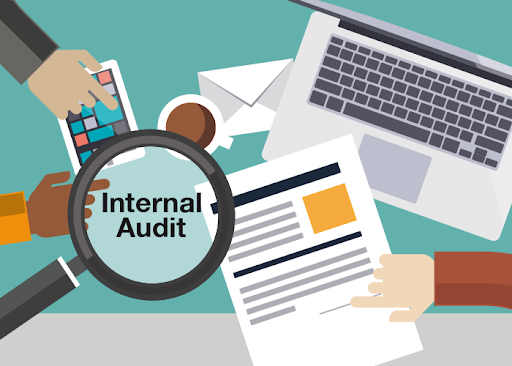
In this comprehensive course the candidates will learn the concepts of traditional and operational auditing and gain proven tools and techniques for performing effective audits. You will get a solid background in the basics of documenting and evaluating internal control/fieldwork techniques. Using specifically formulated case exercises, you will examine the critical elements of internal auditing: assessing risk, flowcharting, designing flexibility into the audit program, performing the audit and applying audit results to solve business problems.
The Training Course Will Highlight ?
You will focus on and put into practice the communications skills associated with internal auditing: conferencing with customers, writing audit findings, and selling audit recommendations.
Training Objective
By the end of this course delegates will be able to:
- Have a well-grounded foundation in the concepts of traditional and operational auditing
- Gain proven tools and techniques for performing value-added audits
- Use case studies to learn critical audit tasks
- Learn about assessing risks, flowcharting and solving business problems
- Focus on writing audit findings and selling your recommendations
Target Audience
Technical personnel involved in project work, personnel involved in construction activities, mechanical, electrical, instrumentation, maintenance, design and HSE technical personnel
Training Methods
Daily Agenda
Internal Auditing
- IA department sample charter
- The role of the internal audit department
- Attribute standards
- Leading-edge trends in IA
- What makes an effective internal audit department
- Differences between an internal auditor and an external auditor
- Events that have helped create growth in IA
- The Foreign Corrupt Practices Act
- COSO
- Federal Sentencing Guidelines
- Sarbanes-Oxley
- Fraudulent financial reporting
- Internal audit department sample statement of purpose
Contemporary Internal Auditing
- Types of internal audits, economy
- Efficiency and effectiveness
- Operational vs. financial auditing
- Benefits of operational auditing
- Steps in the internal audit process: an overview
Planning and Preliminary Fieldwork
- Performance standard for planning the audit
- The planning memo
- Notifying the client
- Opening conferences
- 3 phases on an audit plan
- The importance of preliminary work
- Risk control matrices
- 25 planning resources
- Performance standard for corporate governanc
Documenting Internal Controls
- Evaluating and documenting the system of internal controls
- Performance standard for controls
- Control points
- Cost/benefit considerations
- Types of controls
- The control environment· Methods of documenting internal controls
- Internal control questionnaire
- Flowcharts
- Flowcharting symbols
Audit Programs
- Performance standard for engagement objectives and scope
- Performance standard for developing the audit program
- The audit program as guide
- Criteria for audit programs
- Audit objective
- Audit scope
- Audit test steps
- Sample audit program
Fieldwork Techniques
- Performance standard for fieldwork
- Audit evidence
- Handling sensitive evidence
Audit Findings
- Performance standards for communicating results and monitoring progress
- Attributes of audit findings
- Selling your audit findings
- Template for audit findings
Work Papers
- Performance standards for recording information and engagement supervision
- Purpose of audit workpapers
- Workpaper techniques
- Electronic workpapers
- Workpaper templates
- Tick marks
- Sample audit workpaper
- Performance standard for quality assurance and compliance
Audit Reports
- Fundamentals of audit reports
- Selling your report
- Recommendation options
- Strategies for issuing timely reports
Effective Audit Communications
- Understanding patterns of communications
- Possible barriers to overcome in the interview
- Diffusing the difficult interview
- Interview strategies
- Do’s and don’ts of effective interviewing
- Closing conferences
Sampling
- Audit testing
- Sampling terminology and methodologies
- Sampling for SOX
Risk Assessment Strategies
- Selecting the client
- Notifying the client
- Determining risk
- Performance standard for determining risk
- Effects of risk
- Identifying auditable activities
- Risk criteria
- Trends in risk assessment
- Risk assessment factors
Accreditation
BTS attendance certificate will be issued to all attendees completing minimum of 75% of the total course duration.
Quick Enquiry
Request Info
Related Courses
Your Growth, Our Mission
Contact Us
Contact us to meet all your inquiries and needs, as our professional team is pleased to provide immediate support and advice to ensure you achieve your goals and facilitate your experience with us in the best possible way. UAE
UAE
 Office
Mobile
Office
Mobile
 E-mail
 Working
Hours
Working
Hours