
Course Details
Your Growth, Our Mission
Course Description
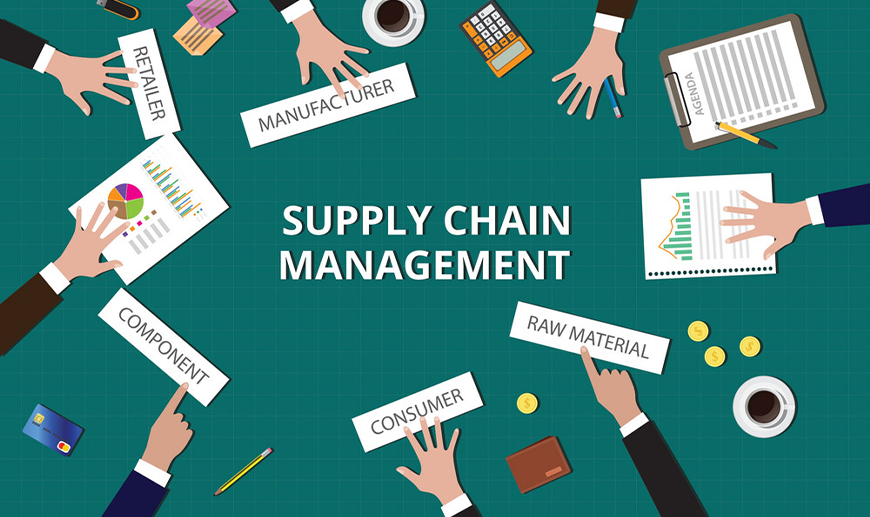
This seminar is aimed at both suppliers and buyers who need an overview of the key issues and drivers involved when viewing supply chains from a logistics/demand point of view. It examines what logistics and supply chain management are fundamentally about and the key aspects established are that time is cash; movement to the customer is all that adds value, working with all involved pays, and that having to look outside of the box is fundamental. It will also explore how to change current methods and activities so that benefits are obtained.
Throughout the seminar the rules for Effective Supply Chain Management are identified and discussed; along with relevant case studies and Best Practice guidelines.
The Training Course Will Highlight ?
- Appreciate changes to business processes that are taking place
- Gain the financial benefits that effective supply chain management can bring
- Determine how time “secretly” builds up in supply chains and that time is cash
- Be able to understand, recall and apply improvements after the seminar for work based application
- Best in class practices
Training Objective
- To give knowledge of effective logistics and supply chain management practices
- To enable analysis and examination of current operations
- To make organizational improvements
Target Audience
- Supply, Buying, Purchase, Logistics, Materials and Supply Chain Managers
- Those who need to develop their limited understanding about Logistics and Supply Chain Management
- Those who are looking for business gains and benefits from managing their supply chains more effectively
Training Methods
- Interactive & participation
- Programmatic & "what will work"
- Discussion & flip chart
- PowerPoint Presentations
- Exercises & breakout session
- Case studies & best practice examples
- Checklists for reference / reinforcement & application
Daily Agenda
Session 1: Understanding what Supply Chain and Logistics Management
- Definitions of logistics and Supply Chain management
- The interrelations and connections of Buying, Making, Moving, and Selling activities
- History and the development
- A view of the future.
Session 2: Key Aspects of Supply Chain Management
- The cost/service balance
- Customer service principles
- Lead times throughout the supply chain
- Adding value
- Production options/changes
- Trade off opportunities
Session 3: The Benefits of Adopting a Supply Chain Strategy
- Understanding the sub functional conflicts
- Benefits within and between functions taking a supply chain view of total acquisition costs
- Accepting that competitive advantage comes from the Supply Chain
Why a Supply Chain approach will change traditional ways
- Looking at demand amplifications, and the "Forester" effect,
- Appreciating the effects of uncertainty and unresponsiveness
- Seeing how we currently manage the supply chain
- Changing the way we manage the Supply Chain for effectiveness
Session 4: Impacts to the Supplier/Customer relationships
- Practical effects on lot sizes/order quantities
- Reducing costs
- Sharing developments
- Eliminating internal and external barriers
- Interfacing versus integrating relationships.
Session 5: Implementing a Logistics/Supply Chain Management Approach
- The changes needed with suppliers and customers.
- The changes need to internal organization and management practices
- Potential action needed
- The "doing nothing" future, with “lessons from experience”
- Guarding against futures of higher stock levels and competition gains
- Breaking down traditional silo/closed management
Case Studies
Accreditation
BTS attendance certificate will be issued to all attendees completing minimum of 80% of the total course duration.
Quick Enquiry
Request Info
Course Rounds
5 Days| Code | Date | Venue | Fees | Action |
|---|---|---|---|---|
| PRO104-05 |
2026-12-13
|
Casablanca
|
USD
5950
|
Register |
| PRO104-01 |
2027-01-31
|
Manama
|
USD
5450
|
Register |
| PRO104-02 |
2027-05-23
|
Cairo
|
USD
5450
|
Register |
| PRO104-03 |
2027-09-19
|
Dubai
|
USD
5450
|
Register |
| PRO104-04 |
2027-11-28
|
Casablanca
|
USD
5950
|
Register |
Prices don't include VAT
Related Courses
Your Growth, Our Mission
Contact Us
Contact us to meet all your inquiries and needs, as our professional team is pleased to provide immediate support and advice to ensure you achieve your goals and facilitate your experience with us in the best possible way. UAE
UAE
 Office
Mobile
Office
Mobile
 E-mail
 Working
Hours
Working
Hours