

Course Details
Your Growth, Our Mission
Course Description
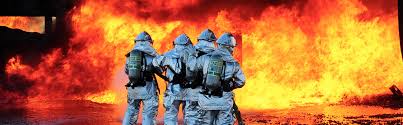
The mechanisms of burning in fires and in explosions are different. In a fire the plume of vapor evolved by the fuel has been ignited and continues to bum at the interface with the surrounding air. In an explosion the fuel vapor becomes mixed with air before it is ignited. Flame then propagates through the mixture. The program is aimed to deliver competence based training of advanced firefighting techniques. Delegates will refresh there basic fire skills and gain knowledge of command and control of fire teams, the organization and training of onboard fire parties and investigation and reporting of fire incidents onboard vessels. This course complies with the NFPA standards worldwide recognized. It involves trainees in the effective way to prevent, recognize and extinguish different types of fires that may occur within oil and gas industry.
The Training Course Will Highlight ?
The course will feature:
-
- Revision of basic firefighting training standards
- Control of firefighting operations on board ship
- Organization and training of fire parties
- Inspection and servicing of fire detection and extinguishing equipment
- Investigation and reporting of fire incidents
Training Objective
By the end of this course, delegates will be able to:
-
- Learn basic fire, explosion and how to fight oil industrial fires
- Know the most comprehensive and current techniques so as to effectively fight a fire
- Provide clear understanding of duties
- Identify hazards & perform remedy action
- Identify & skillfully operate fire protection equipment
- Competently respond to mitigate & control emergency cases
- Use & handle PPE properly
- Conduct atmospheric gas testing and appropriately don the SCBA
- Control fire and fighting operations
- Organize and train fire subordinates
- Inspect and service fire detection and extinguishing systems and equipment
- Investigate and compile reports on incidents involving fire
Target Audience
Team Leaders, Managers, Superintendents, Line Managers, General Supervisors, Foremen, Supervisors, Project Managers, Fire Officers, Senior Fire Officer, Chief Fire Officers, Senior Fire & Equipment Personnel, Fire Coordinators, Fire Executives & Industry Personnel, Fire Responders, Fire Engineers, Loss Prevention Engineers, Control Center Operators and Supervisors, Emergency Personnel, Emergency Dispatchers, Security Personnel and CCTV Operators, HSE Officers, HSE Engineers & Personnel, HSE Professionals, Emergency Response Team Members, HSE Managers and Auditors, HSE Professionals, Incident Control Point (Forward Control) Team Members, Inspectors, Advisors, Auditors, Laboratory Personnel, Process Control Engineers and Technicians, Process Control Designers and Systems Engineers, Instrumentation and Control System Engineers, Plant Engineers, Maintenance Personnel, Maintenance Engineers and Supervisors, Electrical and Instrumentation Supervisors and Technicians, Procurement and Supply Chain Managers, Engineers and Maintenance Personnel, experienced and new Auditors linked to the company’s HSE Management Systems (HSE-MS), HSE-MS Personnel, Personnel involved in implementing the Company’s HSE-MS, Security Personnel and CCTV Operators, Staff responsible for managing hazardous wastes, Supervisors and Line Management who have assigned responsibilities within the organization’s Safety Management System (SMS).
Training Methods
This interactive Training will be highly interactive, with opportunities to advance your opinions and ideas and will include;
- Lectures
- Workshop & Work Presentation
- Case Studies and Practical Exercise
- Videos and General Discussions
Daily Agenda
Overview of the Basic Principles of Fire and Explosion
-
- Introduction
- Fire characteristics
- Characteristics of petroleum products
- Chemistry of fire
- Fire tetrahedron
- Stages of fire
- Types of fire
- Sources of ignition
- Explosion and explosives
Fire Fighter
-
- Duties and qualities of a fire fighter
- Fire fighter safety
- Fire-fighting skills
Control of Fire
-
- Fighting theory
- Kinds of fire extinguisher agents
- Firefighting equipment
- Fixed and mobile pumping appliances
- breathing apparatus
- Firefighting tactics
- Firefighting systems
- Fire alarm
How to Fight Oil Industrial Fires
-
- Contained oil fires
- Pre-burn of petroleum product
- Uncontained petroleum fires
- Combination of contained and uncontained fires
- Liquefied petroleum gas fire
- Bleve
- Pool fire
- Flash fire
- Jet fire
- Vapor cloud
- Floating roof tank fires
- Fixed roof tank fire
- Froth over
- Control and prevent crude oil tank fire
- Boil over
- High vapor pressure fire
Emergency Response Awareness
-
- Learning from evacuation drills & fire-fighting exercises
- Emergency evacuation procedures for fires and different assembly points
Miscellaneous
-
- Fire prevention
- Fire detection
- Team leader firefighting organization
- Team leader firefighting drills
- Procedures for firefighting
- Inspections of equipment and required servicing
- Fire alarms
- Fire detection equipment
- Fix fire extinguishing equipment
- Fire main system
- Fire control plans
- Firefighting process
Accreditation
BTS attendance certificate will be issued to all attendees completing minimum of 80% of the total course duration.
Quick Enquiry
Request Info
Course Rounds
5 Days| Code | Date | Venue | Fees | Action |
|---|---|---|---|---|
| SEC103-05 |
2026-12-20
|
Dubai
|
USD
5450
|
Register |
| SEC103-01 |
2027-01-03
|
Cairo
|
USD
5450
|
Register |
| SEC103-02 |
2027-04-26
|
Kuala-Lumpur
|
USD
5950
|
Register |
| SEC103-03 |
2027-09-12
|
Dubai
|
USD
5450
|
Register |
| SEC103-04 |
2027-11-15
|
Istanbul
|
USD
5950
|
Register |
Prices don't include VAT
Related Courses
Your Growth, Our Mission
Contact Us
Contact us to meet all your inquiries and needs, as our professional team is pleased to provide immediate support and advice to ensure you achieve your goals and facilitate your experience with us in the best possible way. UAE
UAE
 Office
Mobile
Office
Mobile
 E-mail
 Working
Hours
Working
Hours