
Course Details
Your Growth, Our Mission
Course Description
Improper storage of hazardous chemicals, both products and wastes-incompatible inspection of containment materials, using hazardous products when non-hazardous products are available and inadequate training of staff are some of the leading causes of environmental contamination. Contamination can come in many forms- Some examples of contamination are ground and surface water, land, air, radioactive, food, noise, molds, odor, construction, vibration, etc. and invariably, if these contaminants are not properly dealt with, will result in pollution and in certain situations serious health problems
The Training Course Will Highlight ?
This course will give some details on these various types of contaminants and the new frontiers in eliminating or minimizing these contaminants, the use of effective non-hazardous products in your company and also environmentally acceptable methods of disposal for both hazardous and non-hazardous wastes
Training Objective
By the end of this course delegates will be able to:
- Learn about the relevant environmental treaties dealing with contamination and pollution
- Learn how to prioritize contamination problems in dealing with contamination and waste management issues in a logical sequence.
- Learn about the various types of contamination and which ones are more applicable to your company
- Encourage and facilitate dialogue with like-minded individuals on specific contamination issues of concern in their organizations and the opportunity to develop regional networks within the GCC area to address common concerns
- Show and emphasize the close relationship between human health and the environment that’s been directly affected by contamination
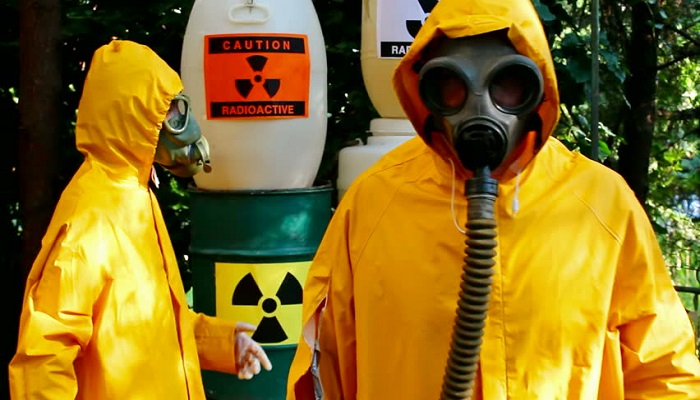
- Discussion of the current methodologies for the cleanup of contaminated soil, ground and surface water, air pollution, construction materials and radioactive materials.
Target Audience
Team Leaders, Managers, Line Managers, Supervisors, Team Leaders, Project Managers, Control Center Operators and Supervisors, Emergency Dispatchers, Security Personnel and CCTV Operators, HSE Officers, HSE Personnel, HSE Professionals, Emergency Response Team members, HSE Managers and Auditors, Health & Safety and Environmental Professionals, Fire Officers, Incident Control Point (Forward Control) Team Members, Supervisors, Inspectors, Advisors, Auditors, Laboratory Personnel, Emergency Personnel, Maintenance Personnel, Procurement and Supply Chain Managers, Engineers and Maintenance Personnel, Experienced and new auditors linked to the company’s HSE Management Systems (HSE-MS), HSE-MS Personnel.
Training Methods
Daily Agenda
Brief History of Contamination and Introduction to Hazardous Wastes
- What is contamination and how does it affect us?
- A detailed look at all the various types of contamination
- Global Environmental issues related to contamination
- International Environmental Treaties and Guidelines related to Contamination
- The toxic 12 chemicals and the role of the United Nations Environment Program (UNEP)
- The current watch list for chemicals that soon may be added to the toxic 12
- Environmental Law and its significance
- Definition of hazardous Wastes & Non -Hazardous Wastes
- Connecting the dots between Contamination and Hazardous Wastes
Management of Contamination and Hazardous Wastes
- The relationship between Contamination and Occupational Health & Safety
- The importance of documentation in Hazardous Waste Management
- Some typical Hazardous Waste Regulations and the need for harmonization
- The purpose of a Workplace Hazardous Materials Information System (WHMIS)
- The purpose of a Material Safety Data Sheet (MSDS)
- Why a Globally Harmonized System (GHS) is essential for WHMIS and MSDS
- Carrying out a Contamination Audit
- Managing a Waste Disposal Site
Contamination and Pollution Prevention
- Discussions on common contamination sources from the contamination audit, sources of pollution and techniques and technologies to prevent or minimize them
- Exploration & Production- Refining & Transportation
- Oil Spills with special reference to the April 2010 Gulf of Mexico oil slick occurrence
- Modern Tanker design to minimize the occurrence of a major oil spill
- Other oil related sources of pollution
- The common thread amongst many third world countries concerning pollution issues
- The current concepts of Zero Waste (ZW) and Zero Liquid Discharge (ZLD) and their limitations
- The Bird Problem- Pollution from bird droppings and dead birds and the latest available technologies to control this problem
Continuation of Contamination and Pollution Prevention Planning and Contingency Planning for Major Incidents
- Life Cycle Management of all materials being used in a company
- The 5R’s- Reduce, Reuse, Recycle, Recover and Rethink
- Detailed requirements for proper storage of hazardous materials
- The importance of on-going training
- The importance of regular reviews of emergency plans
- Updated information on ISO 14001, 18001 and 9001
- Types of Environmental Audits
Accreditation
BTS attendance certificate will be issued to all attendees completing minimum of 75% of the total course duration.
Quick Enquiry
Request Info
Course Rounds
5 Days| Code | Date | Venue | Fees | Action |
|---|---|---|---|---|
| HSE131-05 |
2026-11-22
|
Casablanca
|
USD
5950
|
Register |
| HSE131-01 |
2027-01-10
|
Dubai
|
USD
5450
|
Register |
| HSE131-02 |
2027-06-06
|
Salalah
|
USD
5450
|
Register |
| HSE131-03 |
2027-08-22
|
Cairo
|
USD
5450
|
Register |
| HSE131-04 |
2027-12-06
|
Istanbul
|
USD
5950
|
Register |
Prices don't include VAT
Related Courses
Your Growth, Our Mission
Contact Us
Contact us to meet all your inquiries and needs, as our professional team is pleased to provide immediate support and advice to ensure you achieve your goals and facilitate your experience with us in the best possible way. UAE
UAE
 Office
Mobile
Office
Mobile
 E-mail
 Working
Hours
Working
Hours