

Course Details
Your Growth, Our Mission
Course Description
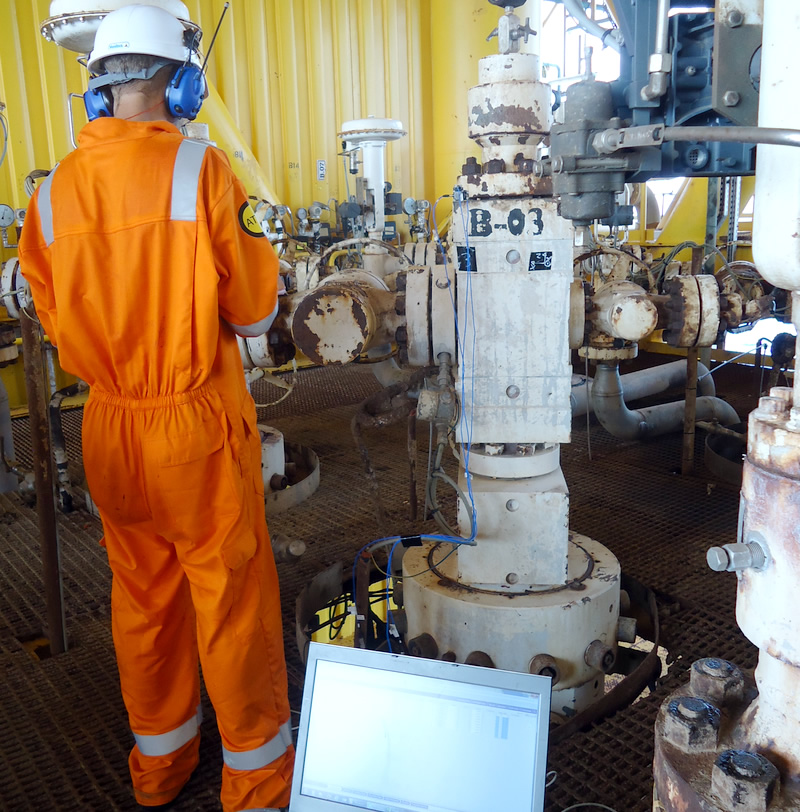
This course for industry aims to convey the latest thinking and best practice of machinery vibration monitoring and analysis via lectures, case studies, video films and program activities. The course gives a detailed advanced treatment of the detection, location and diagnosis of faults in rotating and reciprocating machinery, using vibration analysis. Industrial case study examples are used throughout the course to emphasize key points and to underline the relevance and applicability of the topics being addressed.
The Training Course Will Highlight ?
This is an intensive course providing a comprehensive understanding of rotating equipment failures and reliability. Condition monitoring techniques are discussed and evaluated. Scenarios involving common rotating equipment reliability issues: rotors, journal bearings and vibration, thrust bearings, balance drums, pump mechanical seals, compressor seals (liquid and dry gas) and auxiliary systems are presented. The material of the course is applicable to all oil and gas field production facilities, refineries, pipelines, gas plants, marine applications and offshore systems.
Training Objective
At the end of this seminar participants will learn about:
- Techniques for troubleshooting failure causes and consequences
- Causes of machinery failures (5 whys)
- Condition monitoring technique
- Equipment reliability and predictive maintenance fundamentals
- Lubrication monitoring and analysis
- Operating procedures best practices
- RCFA (Root Cause Failure Analysis) procedures and techniques (rotors, journal bearings and vibration, thrust bearings, balance drums, pump mechanical seals, compressor seals - liquid and dry gas, and auxiliary systems)
Target Audience
Mechanical Engineers, Schedule and Planning Engineers & Supervisors, Engineers and Technicians working in application and management of predictive maintenance, Designers and Production Managers and Engineers working in technical and design modification roles within industries, Maintenance, engineering and operations personnel involved in troubleshooting reliability, analysis, condition monitoring, and maintainability of rotating equipment and related systems
Training Methods
Daily Agenda
Introduction to Industrial Rotating Equipment
- Rotating equipment fundamentals and reliability basics
- The causes of machinery failures - (5 why's)
- Process condition changes
- Installation error
- Operating procedures
- Design shortcomings
- Component wear out
- Root Cause Failure Analysis (RCFA) procedures and examples
- Rotors - the effect of process head
- Journal bearings and vibration
- Thrust bearings and balance drums
- Pump mechanical seals
- Compressor seal systems - liquid and dry gas
- Auxiliary systems including lubrication
- Processes for effective troubleshooting
- Condition monitoring
- Defining abnormal conditions
- Listing all possible causes
- Eliminating non-related causes
- Stating root cause of the problem
- Solutions and maintenance
- Centrifugal & Reciprocating Pumps and Compressors
- Centrifugal pump principles
- Centrifugal pump classification
- Positive displacement pump principles
- Centrifugal compressor principles
- Reciprocating compressor principles
- Reciprocating compressor operation
- Centrifugal pump inspections and testing
- Reciprocating compressor inspections and testing
- Pump control
- Sealing & cooling
- Basic relations
- Gas laws
- Power calculations
- Driver sizing
- Performance of centrifugal pumps & compressors
- Performance of reciprocating pumps & compressors
- Discharge / head calculations
- Drivers (electric motors – diesel engines – act…)
- Lubrication
- Gas & Steam Turbines
- The gas turbine engine
- Gas turbine principles
- Gas turbine components
- Equipment systems
- Gas turbine operations
- Gas turbine performance
- Safety & operational limits
- Gas turbine inspection & testing
- Gas turbine control
- Gas turbine maintenance
- Steam turbine principles
- Construction features of steam turbines
- Steam turbine operations
- Steam turbine performance
- Steam turbine control
- Control governing
- Safety & operational limits
- Steam turbine types
- Steam turbine inspection & testing
Accreditation
BTS attendance certificate will be issued to all attendees completing minimum of 80% of the total course duration.
Quick Enquiry
Request Info
Course Rounds
5 Days| Code | Date | Venue | Fees | Action |
|---|---|---|---|---|
| ME109-05 |
2026-12-27
|
Dubai
|
USD
5450
|
Register |
| ME109-01 |
2027-01-10
|
Cairo
|
USD
5450
|
Register |
| ME109-02 |
2027-05-24
|
Istanbul
|
USD
5950
|
Register |
| ME109-03 |
2027-09-26
|
Cairo
|
USD
5450
|
Register |
| ME109-04 |
2027-12-27
|
Kuala-Lumpur
|
USD
5950
|
Register |
Prices don't include VAT
Related Courses
Your Growth, Our Mission
Contact Us
Contact us to meet all your inquiries and needs, as our professional team is pleased to provide immediate support and advice to ensure you achieve your goals and facilitate your experience with us in the best possible way. UAE
UAE
 Office
Mobile
Office
Mobile
 E-mail
 Working
Hours
Working
Hours