

Course Details
Your Growth, Our Mission
Course Description
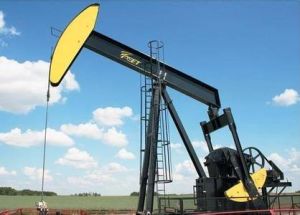
When oil or gas is being produced the reservoir pressure reduces. At a certain point in time it can happen that the pressure in the reservoir becomes too low for production and artificial lift can be required. This 5-day course covers the artificial-lift methods and technologies fall into two groups, those that use pumps and those that use gas. It provides information and concentrate on the proper selection, operation and maintenance of subsurface pumps so the best economical life can be obtained. This course will enhance the candidates’ knowledge, skills, and attitudes necessary to understand the artificial-lift methods and technologies specially the proper selection, operation and maintenance of subsurface pumps so the best economical life can be obtained. The course will allow the candidates to become familiar with the system and when it should be used. All components will be described in detail. Design and analysis will be done using advanced computer programs. This training session will discuss typical sucker rod lift field operational problems. These problems include down hole separation, pump compression ratio, and effects from spacing out the pump. The use and misuse of sinker bars and rod guides will be covered. Also presented will be well failure frequency and tracking as well as a summary on well trouble shooting.
The Training Course Will Highlight ?
Training Objective
- By the end of this course delegates will be able to:
- Understand the fundamentals of fluid properties
- Evaluate well productivity
- Understand the concept of artificial lift
- Understand sucker rod systems
- Learn about ALS types
- Maximize oil production using Beam systems.
- Identify components of the system.
- Design and analyze a system using up to date computer programs.
- Apply best practices for longer system life
- Improve efficiency of the system
- Combat gas, solids and viscosity in the produce fluids
- Make informed comparisons to other methods.
Target Audience
- Production Engineers
- Supervisors
- Senior Operators
- Operators
- Production Personnel
Training Methods
Daily Agenda
- Fundamentals Fluid Properties
- Well Productivity
- Productivity Index
- Vogel IPR / System Graph
- Introduction to Artificial Lift
- Overview of artificial lift
- Artificial lift concept
- Popular artificial lift methods
- Artificial lift types
- Applications & limitations
- Artificial lift efficiency
- Sucker rod systems
- Subsurface pump components
- Rod string
- Tubing anchors
- Pumping units
- Prime mover
- Sucker rod problems
- Reservoir considerations
- Design and analysis of the beam pump system
- Beam unit
- Prime mover
- Counter weights
- Polished rods
- Sucker rods
- Pump
- Prime mover
- Belts
- Sheaves
- Gear box
- Polished rod
- Wellhead/stuffing box
- Tubing
- Heavy oil considerations
- Gas separation/handling
- Best practices for operation
- Component design
- System analysis
- Pump off controllers
- Well inflow basics
- Production & Cost
- Run life
- Equipment selection & Equipment sizing
- Metallurgy
- Start-up
- Frequency of re-starts
- Fluid pound
- Operation in deviated wells
- Operation if well produced paraffin
- Operation in sandy wells
- Operation in gassy wells
- Downhole gas separation
- Compression ratio
- Spacing the pump
- Rod string design and accuracy
- Permissible Load diagrams & relation to design
- V-belt sheave selection
- Sinker bars
- Rod guides
- Failure frequencies
- Well trouble shooting
Accreditation
BTS attendance certificate will be issued to all attendees completing minimum of 75% of the total course duration.
Quick Enquiry
Request Info
Related Courses
Your Growth, Our Mission
Contact Us
Contact us to meet all your inquiries and needs, as our professional team is pleased to provide immediate support and advice to ensure you achieve your goals and facilitate your experience with us in the best possible way. UAE
UAE
 Office
Mobile
Office
Mobile
 E-mail
 Working
Hours
Working
Hours