

Course Details
Your Growth, Our Mission
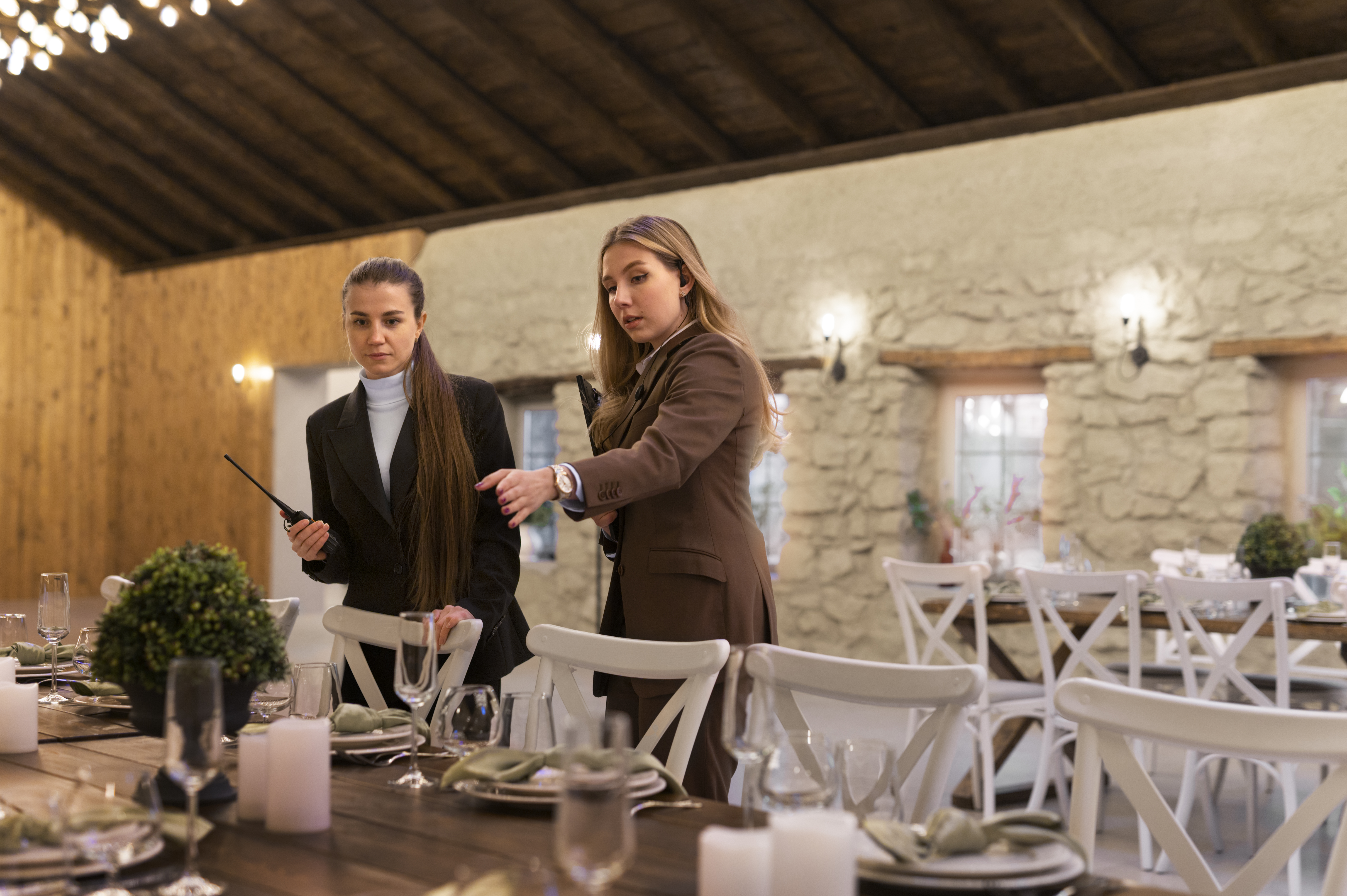
Course Description
Effective protocol and event management play a critical role in ensuring the success of official ceremonies, corporate events, conferences, diplomatic functions, and high-profile gatherings. This course provides participants with a comprehensive understanding of international protocol standards, event planning methodologies, stakeholder coordination, guest management, and ceremonial procedures. Participants will gain the knowledge required to organize and manage events professionally while maintaining protocol compliance, organizational reputation, and a positive participant experience.
The Training Course Will Highlight ?
Training Objective
By the end of this course, participants will be able to:
· Understand the principles and importance of protocol in official and corporate environments.
· Apply international standards of protocol and etiquette during formal events.
· Plan and organize events from concept development to post-event evaluation.
· Manage event logistics, scheduling, and operational requirements effectively.
· Coordinate with stakeholders, VIPs, government representatives, and service providers.
· Develop event budgets and monitor expenditures efficiently.
· Implement risk management and contingency planning strategies.
· Ensure effective communication and guest management throughout the event lifecycle.
· Evaluate event outcomes and identify opportunities for continuous improvement.
Target Audience
This course is designed for:
· Protocol Officers and Coordinators.
· Event Managers and Event Coordinators.
· Corporate Communications Professionals.
· Public Relations Officers.
· Executive Assistants and Administrative Professionals.
· Government and Diplomatic Affairs Personnel.
· Conference and Exhibition Organizers.
· Hospitality and Guest Relations Managers.
· Individuals responsible for organizing official ceremonies, corporate events, and VIP functions.
Training Methods
Daily Agenda
Day 1: Fundamentals of Protocol and Event Management
Understanding Protocol
· Definition and significance of protocol.
· Historical evolution of protocol practices.
· The role of protocol in government, diplomatic, and corporate environments.
· Principles of official protocol and ceremonial procedures.
Introduction to Event Management
· Overview of event management concepts.
· Types of events and their characteristics.
· Event lifecycle and management framework.
· Roles and responsibilities of event professionals.
Professional Etiquette and Standards
· Business etiquette and professional conduct.
· Cultural awareness and international considerations.
· Managing formal interactions and introductions.
· Maintaining organizational image and reputation.
Day 2: Event Planning and Design
Strategic Event Planning
· Defining event objectives and success criteria.
· Identifying stakeholders and participant expectations.
· Event concept development and theme creation.
· Event planning methodologies and timelines.
Event Structure and Program Development
· Designing event agendas and schedules.
· Speaker and presenter coordination.
· Ceremony planning and sequencing.
· Developing event documentation and briefing materials.
Budgeting and Resource Management
· Event budgeting principles.
· Cost estimation and allocation.
· Resource planning and utilization.
· Vendor and supplier coordination.
Day 3: Protocol Management for Official and VIP Events
VIP and Dignitary Management
· VIP identification and classification.
· Hosting senior officials and distinguished guests.
· Protocol requirements for dignitaries and executives.
· Managing guest expectations and special requirements.
Seating, Precedence, and Ceremonial Arrangements
· Rules of precedence and ranking.
· Seating plans and arrangements.
· Official ceremonies and formal functions.
· Flag protocol and national symbols.
International and Cross-Cultural Protocol
· Diplomatic protocol fundamentals.
· Cross-cultural communication considerations.
· International customs and etiquette.
· Managing multicultural events.
Day 4: Event Operations and Logistics Management
Event Logistics Coordination
· Venue selection and management.
· Transportation and accommodation arrangements.
· Registration and attendee management.
· Security and access control considerations.
Communication and Stakeholder Coordination
· Internal communication planning.
· Coordination with sponsors and partners.
· Media relations and public communication.
· Managing event information flow.
Risk and Crisis Management
· Identifying event-related risks.
· Developing contingency plans.
· Emergency response procedures.
· Managing unexpected situations and disruptions.
Day 5: Event Execution, Evaluation, and Continuous Improvement
Event-Day Management
· Event command and control structure.
· Coordinating operational teams.
· Managing schedules and timelines.
· Monitoring event performance.
Guest Experience and Hospitality Management
· Enhancing participant engagement.
· VIP hospitality and guest services.
· Handling complaints and special requests.
· Maintaining service excellence standards.
Post-Event Evaluation and Reporting
· Measuring event success and outcomes.
· Collecting participant feedback.
· Preparing event reports and recommendations.
· Lessons learned and continuous improvement strategies.
Future Trends in Protocol and Event Management
· Digital transformation in event management.
· Hybrid and virtual event considerations.
· Emerging protocol challenges.
· Best practices and industry developments.
Accreditation
BTS Attendance Certifcate will be issued after passing 80% of the course duration
Quick Enquiry
Request Info
Course Rounds
5 Days| Code | Date | Venue | Fees | Action |
|---|---|---|---|---|
| MAN286-02 |
2026-11-22
|
Dubai
|
USD
5450
|
Register |
Prices don't include VAT
Related Courses
Your Growth, Our Mission
Contact Us
Contact us to meet all your inquiries and needs, as our professional team is pleased to provide immediate support and advice to ensure you achieve your goals and facilitate your experience with us in the best possible way. UAE
UAE
 Office
Mobile
Office
Mobile
 E-mail
 Working
Hours
Working
Hours