

Course Details
Your Growth, Our Mission
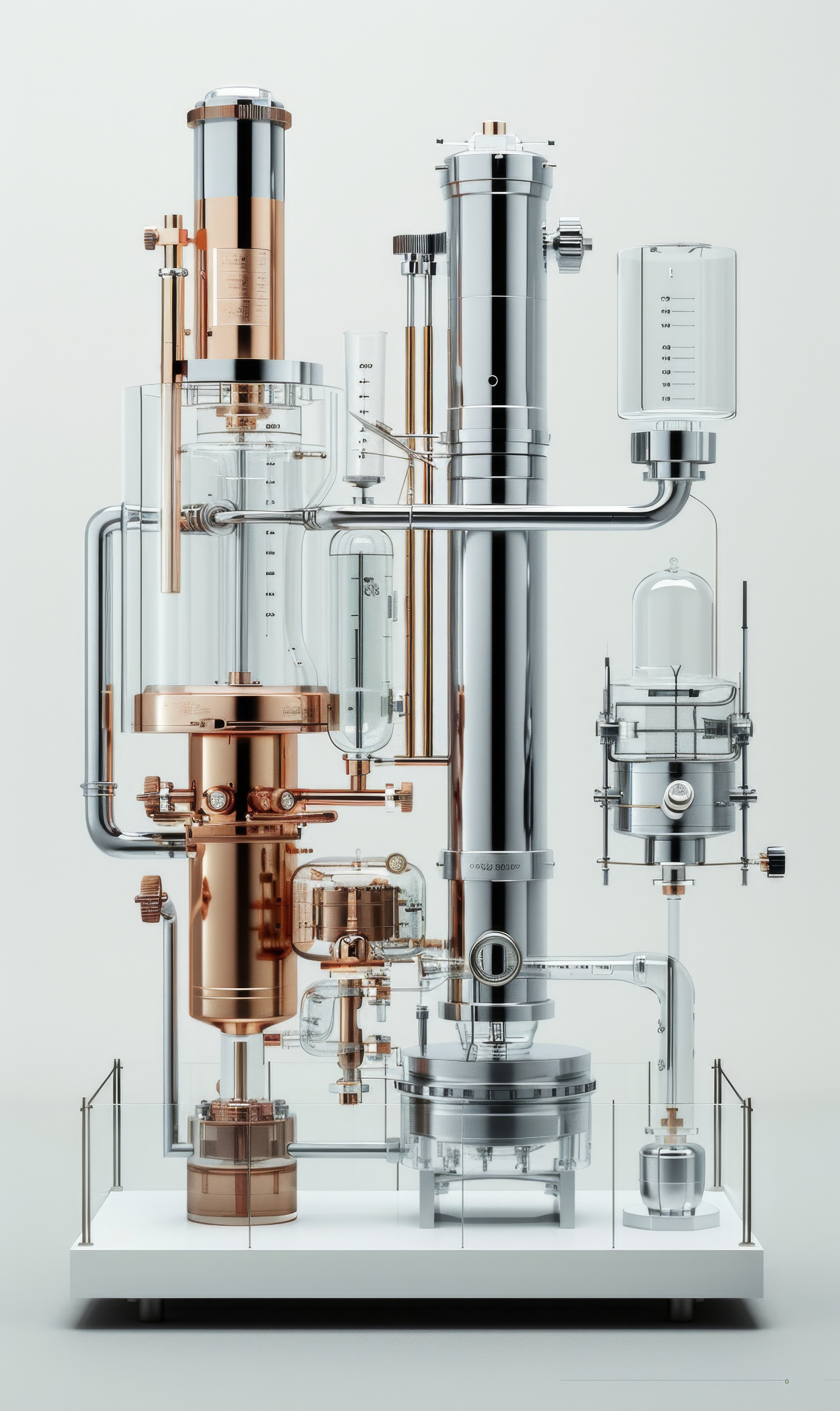
Course Description
This course provides an in-depth exploration of Fluid Catalytic Cracking (FCC) systems
and associated units within refinery operations. Participants will learn to interpret, review, and
enhance design specifications for FCC systems, considering operational efficiency, safety, and
environmental compliance. The course combines theoretical principles with practical exercises
and case studies, enabling participants to apply FCC design techniques effectively in real-world
scenarios.
The Training Course Will Highlight ?
Training Objective
By the end of this course, participants will be able to:
1. Realize the fundamental principles and design methodologies of FCC systems and
associated units.
2. Analyze and optimize FCC unit designs for efficiency, safety, and operational
performance.
3. Apply FCC design techniques in real-world operational and design scenarios.
4. Develop strategies for effective FCC system implementation and integration with
associated units.
5. Stay updated with the latest trends, best practices, and innovations in FCC design and
operations.
Target Audience
• Process Engineers
• Mechanical and Design Engineers
• Operational Staff involved in FCC unit operations
• Refinery Project Engineers and Supervisors
This allows for detailed theoretical coverage, practical exercises, and case studies to reinforce learning.
Training Methods
- Lectures
- Workshop & Work Presentation
- Case Studies and Practical Exercise
- Videos and General Discussions
Daily Agenda
Day 1: Introduction to FCC Units and Associated Systems
• Morning:
o Course overview, objectives, and expectations
o FCC process overview: purpose, benefits, and role in refinery operations
o Overview of associated units (Regenerator, Fractionator, Gas Recovery, and
more)
• Afternoon:
o Key components of FCC systems
o Process flow diagrams (PFDs) and piping & instrumentation diagrams (P&IDs)
o Case study: Analysis of an existing FCC unit layout
Day 2: FCC Design Principles and Reaction Chemistry
• Morning:
o FCC reaction mechanisms and catalyst considerations
o Feedstock properties and selection criteria
o Reactor-regenerator interaction and circulation principles
• Afternoon:
o FCC design parameters and performance indicators
o Heat and mass balance calculations
o Practical exercise: Evaluating FCC unit performance data
Day 3: Design of Associated Units
• Morning:
o Design of fractionators and product recovery systems
o Gas recovery and treatment systems
o Heat integration and energy efficiency considerations
• Afternoon:
o Design of cyclones, compressors, and other auxiliary equipment
o Material selection, corrosion, and erosion considerations
o Case study: Optimizing associated units for maximum efficiency
Day 4: FCC Operational Design and Troubleshooting
• Morning:
o Operational constraints and design limitations
o Catalyst handling, circulation, and attrition
o Control strategies and process safety considerations
• Afternoon:
o Troubleshooting common FCC unit issues
o Simulation and modeling of FCC operations
o Group exercise: Identifying design improvements in sample FCC data
Day 5: Advanced Design, Optimization, and Best Practices
• Morning:
o Design optimization strategies for FCC and associated units
o Environmental considerations: emissions, flaring, and sustainability
o Incorporating latest industry trends and technological innovations
• Afternoon:
o Hands-on exercise: FCC unit design review and optimization proposal
o Q&A session, summary of key takeaways
o Course evaluation and feedback
This 5-day program provides participants with both theoretical knowledge and practical
problem-solving experience, preparing engineers and operational staff to design, analyze, and optimize FCC units effectively.
Accreditation
BTS attendance certificate will be issued to all attendees completing minimum of 80% of the total course duration
Quick Enquiry
Request Info
Related Courses
Your Growth, Our Mission
Contact Us
Contact us to meet all your inquiries and needs, as our professional team is pleased to provide immediate support and advice to ensure you achieve your goals and facilitate your experience with us in the best possible way. UAE
UAE
 Office
Mobile
Office
Mobile
 E-mail
 Working
Hours
Working
Hours