
Course Details
Your Growth, Our Mission
Course Description
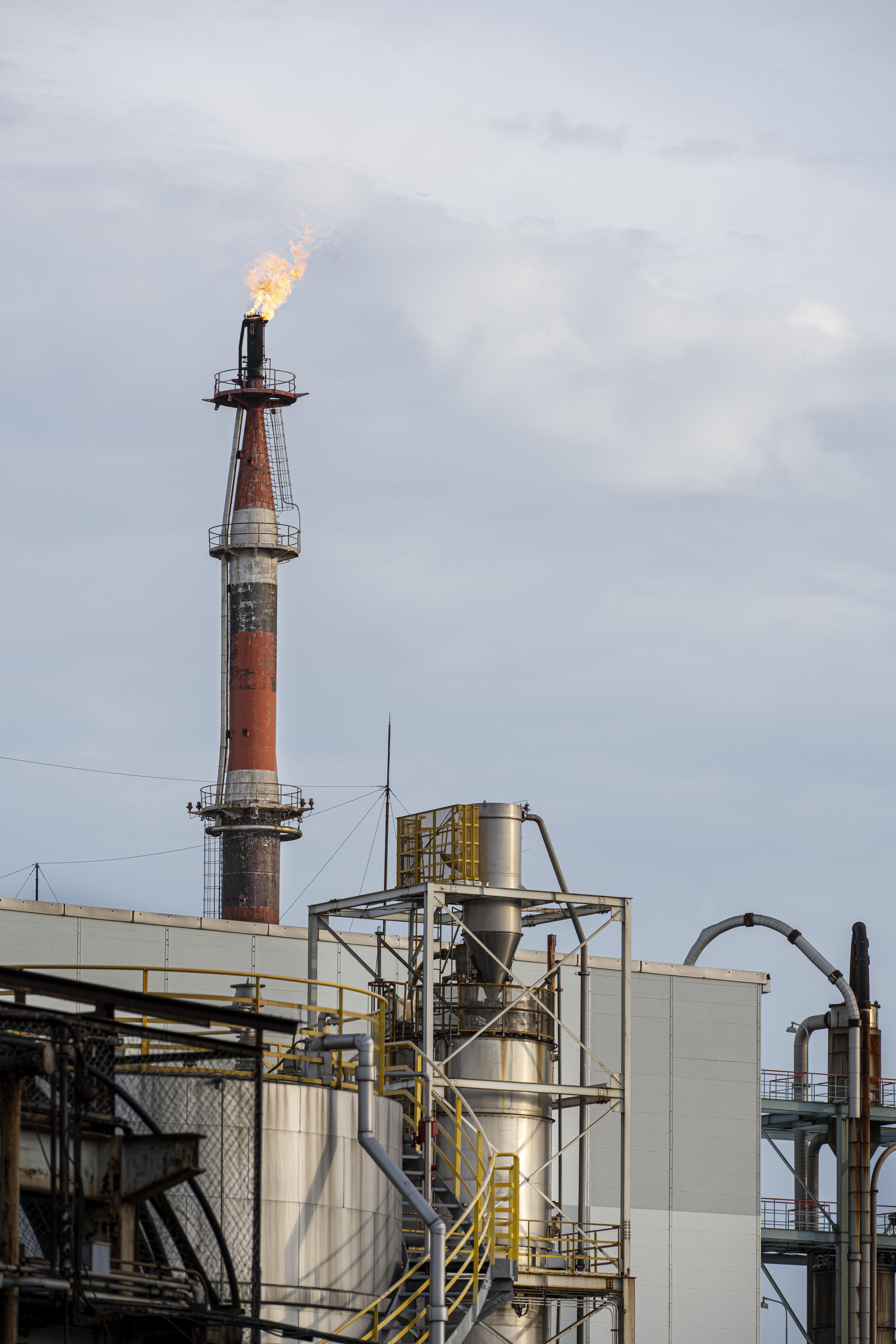
This comprehensive course provides participants with the knowledge and operational
understanding of flare systems and related components, including waste incineration systems. It
focuses on system configuration, operational principles, associated safety systems, and industry
codes and standards. Participants will also explore relief mitigation techniques, pressure relief
devices, flare gas recovery systems, and ignition systems.
Practical discussions and case studies will enhance participants’ ability to identify and handle realworld
flare system operations effectively and safely.
The Training Course Will Highlight ?
Training Objective
By the end of the training, participants will be able to:
• Understand flare system configurations and their operational principles.
• Apply relevant codes and standards for relief and flare systems.
• Identify and analyze possible relief scenarios.
• Understand the function and operation of waste incineration systems.
• Recognize commonly used pressure relieving devices.
• Describe flare gas recovery system operation and advantages.
• Understand available flare ignition systems and their maintenance needs.
• Apply best practices for safe and efficient flare system operations.
Target Audience
Control Room Operators, Field Operators, and Supervisors involved in the operation and
monitoring of flare and waste incineration systems.
Training Methods
• Interactive presentations
• Case studies and group discussions
• Equipment and system schematics review
• Videos and animations for visual understanding
• Practical problem-solving exercises
Daily Agenda
Day 1 – Introduction to Flare Systems
• Course introduction and objectives
• Purpose and function of flare systems in process facilities
• Components of a flare system (flare stack, knockout drum, seal drum, etc.)
• Types of flares: elevated, ground, enclosed, marine, etc.
• Flare operation basics and flame stability
• Environmental and safety considerations
Day 2 – Flare System Configuration and Codes & Standards
• Detailed configuration of flare systems (collection, piping, headers, seals)
• Instrumentation and control systems used in flare operation
• Overview of international codes and standards:
o API 521, API 537, API 520, ASME, ISO standards
• Design considerations for pressure relief and disposal systems
• Case studies on code compliance and design best practices
Day 3 – Relief Scenarios and Mitigation Techniques
• Types of relief scenarios and sources of overpressure
• Identification and classification of relief loads
• Calculation of relief rates (overview for operators)
• Relief load mitigation techniques:
o High Integrity Pressure Protection Systems (HIPPS)
o Dynamic simulation and staged relief concepts
• Operational strategies for minimizing flare load
Day 4 – Pressure Relieving Devices and Flare Gas Recovery
• Overview of pressure relieving devices (PRVs, rupture disks, etc.)
• Selection and maintenance of pressure relief devices
• Introduction to flare gas recovery (FGR) systems
o Components and operation of FGR systems
o Benefits of flare gas recovery: energy saving, emission control
o Operational challenges and troubleshooting
Day 5 – Flare Ignition & Waste Incineration Systems
• Flare ignition systems: pilot types, auto-ignition, and manual systems
• Maintenance and reliability of ignition systems
• Waste incineration systems overview
o Types of incinerators (liquid, solid, gas)
o Combustion control and monitoring
o Environmental controls and emissions handling
• Integrated flare and incineration operation
• Review, case studies, and final Q&A session
Accreditation
BTS attendance certificate will be issued to all attendees completing minimum of 80% of the total course duration
Quick Enquiry
Request Info
Related Courses
Your Growth, Our Mission
Contact Us
Contact us to meet all your inquiries and needs, as our professional team is pleased to provide immediate support and advice to ensure you achieve your goals and facilitate your experience with us in the best possible way. UAE
UAE
 Office
Mobile
Office
Mobile
 E-mail
 Working
Hours
Working
Hours