

Course Details
Your Growth, Our Mission
Course Description
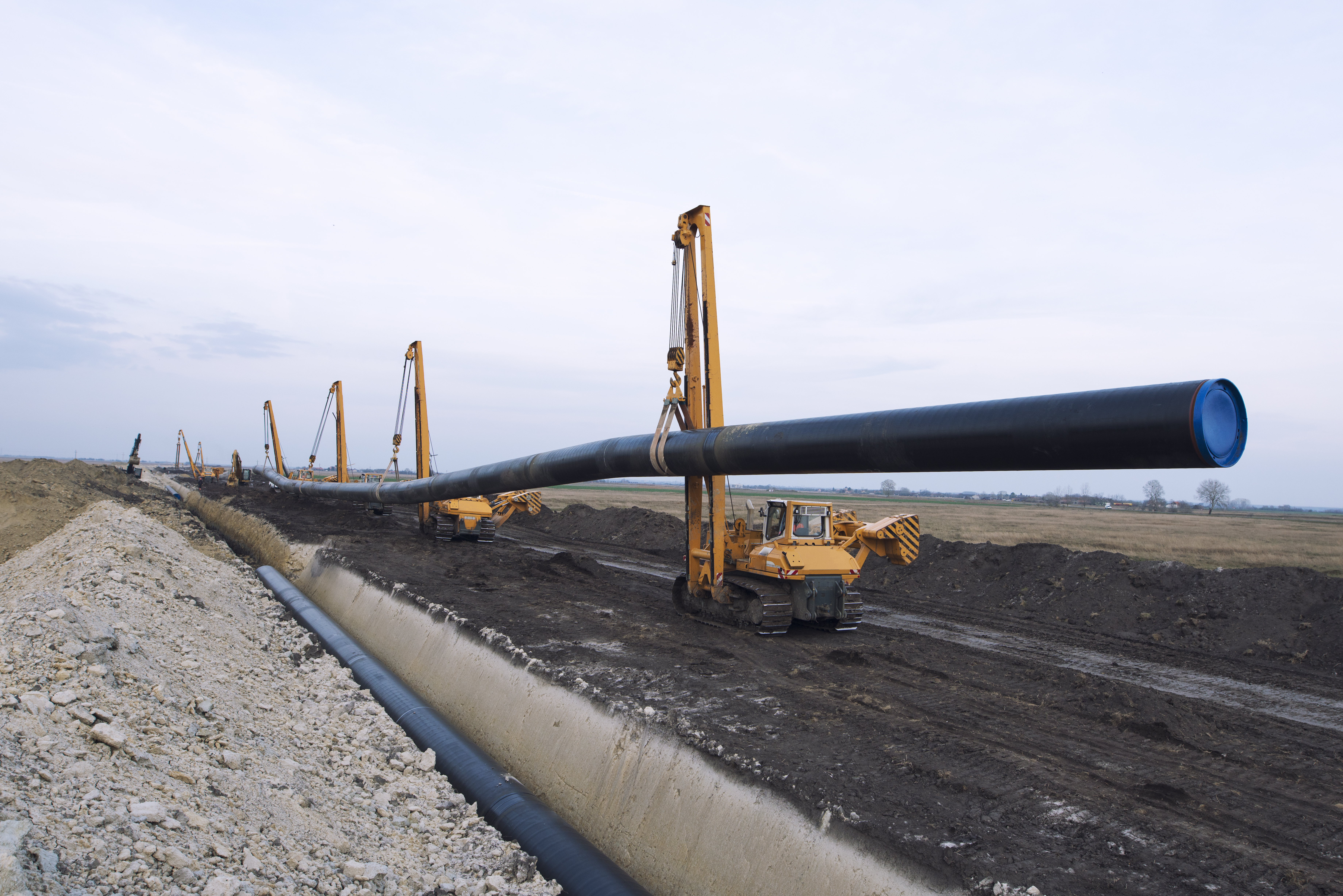
Road or highway or rail crossing pipelines require special considerations both in design planning and installation method in the field. There are two main construction methods that are commonly used in the installation of road crossing pipelines, the open trenching method such as the open excavation method and the trenchless method such as the Horizontal Directional Drilling (HDD). Consideration of construction method need to be analysed during pre-construction to select the suitable method based on the crossing location, geographical challenges, standard regulation, and cost and time limitation. The HDD method is usually used to avoid dense areas or wide or frequent traffic roads or highways and railways. There are some risks associated in the HDD construction method such as failure in the pilot boring and reaming, the ground collapsing and the risk of failure in the pullback process.
The improvements in horizontal directional drilling (HDD) have enabled natural gas and liquid petroleum pipelines to be installed under roads, rivers, levees, and railways utilizing engineered designs that do not require a pipe casing or open cutting of ground surfaces. Historically, casings have been installed routinely at sites requiring additional structural support and mechanical protection in locations such as highway and railway crossings. While offering structural support and mechanical protection, the casings themselves are susceptible to pipeline integrity threats that are unique to cased crossings. This course addresses HDD technology development, the benefits of HDD for installing pipe, and the regulatory challenges to deploying HDD.
The Training Course Will Highlight ?
Training Objective
This Horizontal Directional Drilling (HDD) course offers participants enhanced skills for safe and efficient pipeline installation, leading to better job prospects and increased career demand. Benefits include practical experience with HDD calculations for pipeline design, improved job site safety knowledge, and the ability to independently plan and execute projects more cost-effectively. The training equips individuals with both the foundational principles and advanced troubleshooting skills necessary to operate within the modern HDD industry, including understanding the latest technologies and techniques.
By the end of the course, participants will be able to:
· Gain and apply practical skills in planning the setting up, drilling, reaming, and pulling back operations, with an emphasis on best practices and troubleshooting common issues.
· Become more proficient and in-demand in the HDD technology, as it equips them with knowledge of the latest technologies and techniques.
· Enhance their understanding of directional drilling operations, including how to plan and optimize directional and horizontal wells.
· Improve their career opportunities by following a pathway to roles in civil construction and drilling, particularly for those in driller positions.
· Learn about safety protocols, critical safety procedures, risk assessments, and regulatory compliance required for safe and effective HDD operations.
· Develop the ability to plan and prepare for HDD projects, including site assessment, interpreting plans, and selecting appropriate drilling paths.
· Acquire skills in problem solving, performing routine maintenance and troubleshooting operational problems to minimize downtime and ensure project continuity.
· Independently manage drilling operations, which can be more cost-effective than relying on external resources for both machinery and operators.
Gain knowledge to increase productivity, allowing for more jobs to be taken on
Target Audience
The target audience for this training course is diverse, spanning various roles and experience levels within the civil construction, utilities, and oil and gas industries.
Key members of the target audience include:
Field Personnel & Operators: Drillers and Trainee Drillers, Driller Assistants and Ground Personnel, Experienced Operators, Field Supervisors and Managers.
Engineering and Project Management Professionals: Engineers (Drilling, Completion, Project), Engineering Consultants, Project and Program Managers, Asset Owners and Utility Representatives.
Other Related Professionals: Contractors (Owners and Employees), Inspectors, Geologists and Geophysicists.
Training Methods
(below is just a sample, it depends on the trainer’s methodology)
A good training methodology for Horizontal Directional Drilling (HDD) is a blended approach that combines comprehensive classroom theory, immersive simulation, and extensive experience in practical examples and case studies, with a strong emphasis on safety, communication, and real-world problem-solving.
This interactive training course is delivered as part theory and part practical. It includes the following training methodologies as a percentage of the total tuition hours:
40% Lectures – Presentations by the course leader, including case examples
15% Workshops & Work Presentations
15% Case Studies & Practical Exercises – Group work on case studies - analysis, interaction and discussion
30% Videos, Software & Simulators
It is possible that the course instructor may modify the above training methodology before or during the course for technical reasons. Notwithstanding the course objectives will always be met.
Daily Agenda
DAY 1 – Fundamentals of HDD & Project Planning
1. Introduction to HDD
· Trenchless technology
· Definition, history, and evolution of HDD
· Comparison with open-cut and other trenchless methods
2. Advantages and Limitations of HDD for Road & Railway Crossings
· When to choose HDD
· Constraints and risks unique to transportation corridors
· Cased crossings
· Uncased crossings
3. HDD Process Overview
· Three-stage method: pilot hole, reaming, pullback
· Drill rig components and working principles
4. Subsurface Investigation and Geotechnical Considerations
· Soil classification
· Rock properties and their effect on HDD
· Geotechnical data requirements for crossings
5. Route Selection & Alignment Design
· Horizontal and vertical alignment
· Minimum radius calculations
· Entry/exit point selection
6. HDD Design Standards, Codes & Regulations
· API RP 1102
· ISO 21467
· BS EN 14457
· BS EN 12889
· Relevant pipeline and road/railway-crossing standards
· Road authority and railway authority permitting requirements
7. Preliminary Risk Identification
· Early-stage hazard identification
· Utility conflicts
· Environmental sensitivities
DAY 2 – HDD Engineering Design
1. Detailed Geotechnical Evaluation
· Borehole logs
· Groundwater issues
· Stability considerations (inadvertent returns, hydrofracture)
2. Bore Path Design & Calculations
· Bend radius and pipe stress analysis
· Torsion and tensile loads during pullback
3. Drilling Fluid Engineering
· Functions of drilling fluids
· Fluid rheology, pressure and flow
· Mud program design
· Fluid loss and borehole stability
4. Pipe Selection for HDD Crossings
· Steel, HDPE, and ductile iron considerations
· Pipeline design for Installation by HDD
· Pipe wall thickness
· Coating/wrapping material selection
5. Pullback Force Estimation & Pipe Stress Analysis
· Buoyancy control
· Overpull considerations
· Safety factors
6. HDD Construction Drawings & Documentation
· Plan/profile drawings
· As-built requirements
· Engineering calculations
7. Environmental Management in HDD Design
· Frac-out prevention
· Waste disposal planning
· Water protection zones
DAY 3 – HDD Construction Activities
1. HDD Site Set-Up & Mobilisation
· Rig positioning
· Power and mud systems
· Traffic management (critical for roads & railways)
2. Pilot Hole Drilling
· Drill head selection
· Tracking and navigation (walkover, wireline, gyro systems)
· Location accuracy for road/rail crossings
3. Reaming & Hole Enlargement
· Reamer types
· Multi-stage reaming strategies
· Drilling fluid volumes and pressures
4. Pullback Operations
· Pre-pullback inspections
· Pipe stringing and layout
· Pulling head design and attachment
5. Drilling Fluid Mixing, Circulation & Recycling Systems
· Mud mixing units
· Shakers and recycling
· Loss of circulation challenges
6. Monitoring & Data Recording During Drilling
· Pressure monitoring
· Fluid returns
· Monitoring alarms for rail & road protection
7. Safety During Construction
· Rig safety
· Pipe handling
· Working around live rail and traffic corridors
8. Quality Control in HDD Execution
· Field checks
· As-built confirmation
· Logkeeping
DAY 4 – HDD Crossings of Roads & Railways: Specialized Requirements
1. Specific Risks for Road Crossings
· Pavement settlement concerns
· Utility congestion
· Vibration limits
2. Specific Risks for Railway Crossings
· Rail authority requirements
· Track settlement and protection
· Allowable deformation limits
3. Regulatory & Permit Requirements
· Road authority permitting
· Rail industry submission requirements (method statements, lift plans, load calculations)
4. Hydrofracture Analysis & Prevention
· Hydrofracture pressure prediction
· Monitoring techniques
· Response to inadvertent drilling fluid returns
5. Construction Surveillance & Third-Party Inspection
· Inspector competency
· Monitoring methods
· Reporting obligations
6. Emergency Response for HDD Crossings
· Actions for frac-out
· Loss of drilling fluid circulation
· Pullback failure
7. Stakeholder & Community Management
· Traffic impacts
· Communication with road/rail operators
· Public safety considerations
DAY 5 – Integrity, Testing, Troubleshooting & Case Studies
1. Post-Construction Inspection & Testing
· Pullback load charts
· Pressure testing
· CCTV or pig inspections where applicable
· Pipe Integrity & Stress Verification after Installation: Residual stress checks, Ovality and deformation, Coating inspection
2. HDD Machine types
· Components
· Dimensional characteristics
· Masses – Speeds – Torques – Forces
· Commercial Specifications
3. HDD Failure Modes & Troubleshooting
· Stuck pipe
· Collapsed borehole
· Lost tools
· Inadvertent returns
4. Rehabilitation & Repair of HDD Crossings
· Compromised bore paths
· Re-drill requirements
· Pipe replacement
5. Long-Term Integrity & Monitoring
· Settlement monitoring
· Cathodic protection considerations for buried steel pipes
· Periodic inspections
6. HDD Lessons Learned from Real Projects
· Roads and highway crossings
· Major railway HDD case studies
· Analysis of what went wrong / what worked
7. Final Exercise: Designing an HDD Crossing
· Participants design an HDD crossing scenario
· Reviewing geotechnical info, alignment, pipe selection, and drilling plan
· Group presentations
8. Course Summary & Assessment
· Review of key concepts
· Written or practical assessment
· Certificates of completion
Accreditation
BTS attendance certificate will be issued to all attendees completing minimum of 80% of the total course duration
Quick Enquiry
Request Info
Course Rounds
5 Days| Code | Date | Venue | Fees | Action |
|---|---|---|---|---|
| CE170-03 |
2026-11-22
|
Dubai
|
USD
5450
|
Register |
Prices don't include VAT
Related Courses
Your Growth, Our Mission
Contact Us
Contact us to meet all your inquiries and needs, as our professional team is pleased to provide immediate support and advice to ensure you achieve your goals and facilitate your experience with us in the best possible way. UAE
UAE
 Office
Mobile
Office
Mobile
 E-mail
 Working
Hours
Working
Hours