
Course Details
Your Growth, Our Mission
Course Description
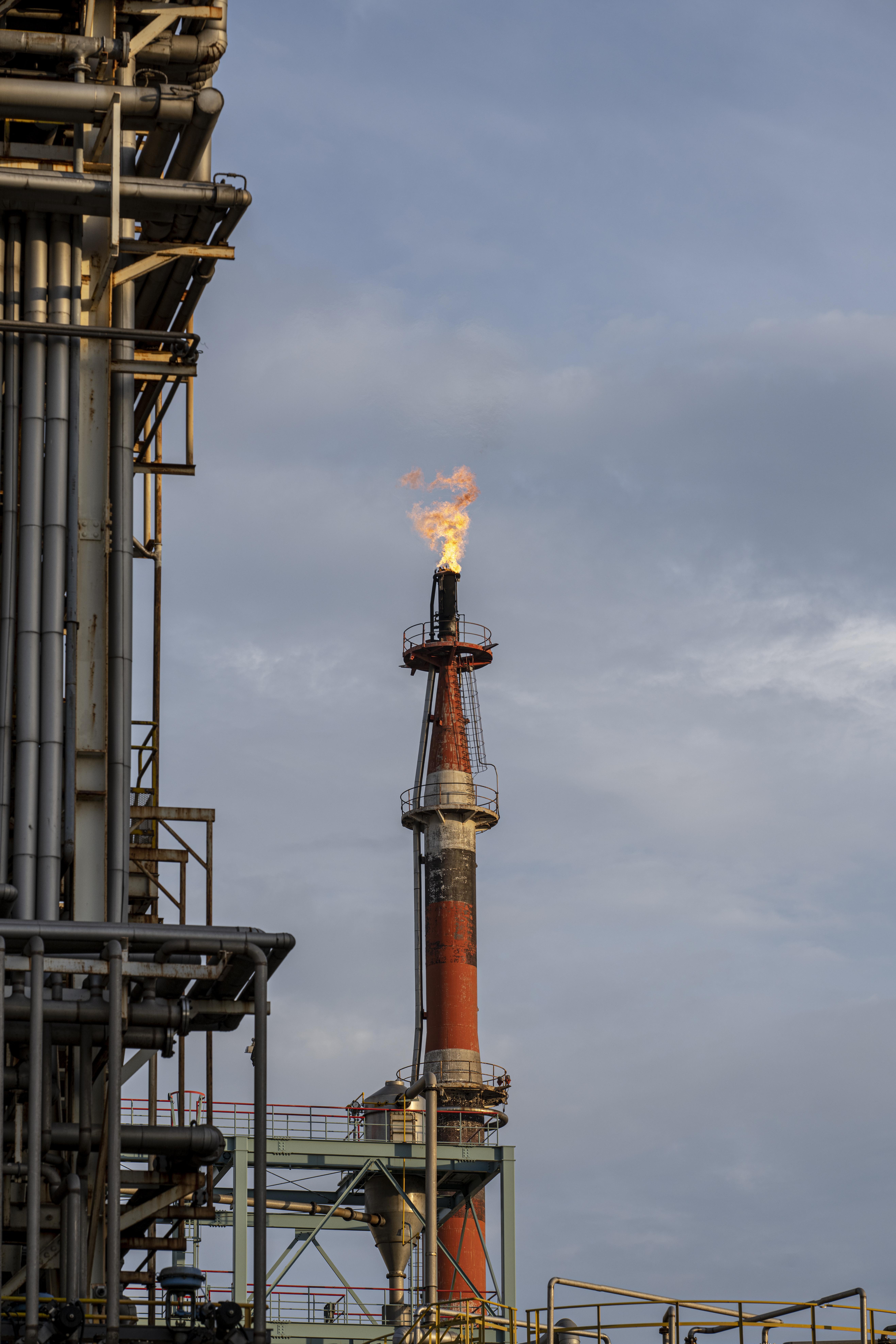
This course provides an in-depth exploration of relief and flare systems used in oil and gas processing facilities. Participants will learn design principles, operational practices, safety considerations, and modern optimization techniques. Through theory, case studies, and practical exercises, engineers will gain the skills to design, evaluate, and operate relief and flare systems safely and efficiently.
The Training Course Will Highlight ?
Training Objective
By the end of the course, participants will be able to:
- Describe the purpose and key components of relief and flare systems.
- Recognize overpressure causes and safety implications.
- Apply overpressure protection philosophies including source isolation and relief strategies.
- Determine relief requirements and select appropriate relief devices.
- Design and specify relief valves, headers, and flare stacks considering fluid and service conditions.
- Optimize flare system operation including blowdown, purge gas, and flare gas recovery.
- Use dynamic simulations to evaluate relief loads and system performance.
Target Audience
- Process Engineers
- Safety and Operational Engineers
- Design Engineers in oil and gas facilities
Training Methods
Daily Agenda
Day 1: Introduction and Safety Fundamentals
- Course overview and objectives
- Overview of relief and flare systems and key components
- Codes, standards, and good engineering practices in oil & gas facilities
- Safety implications of overpressure
- Causes of overpressure and operational hazards
- Group discussion: overpressure case examples
Day 2: Overpressure Protection and Relief Philosophy
- Overpressure protection philosophy: source isolation, relief strategies
- Determination of relief requirements and set point pressures
- Types and applications of common relief devices
- Sizing methodology for relief devices
- Practical exercise: Identifying appropriate relief devices for sample scenarios
Day 3: Relief System Design Considerations
- Blowdown/depressurizing: purpose and operational considerations
- Design and specification of relief valves and headers
- Material selection, fluid characteristics, and service conditions
- Header sizing and layout best practices
- Case study: relief system review and improvement
Day 4: Flare System Components and Operational Practices
- Selection and sizing of knockout/seal drums, vent/flare stacks, and flare tips
- Flare ignition systems and quantity of purge gas
- Flare gas recovery and smokeless flaring
- Operational best practices and troubleshooting tips
- Hands-on exercise: Flare system component sizing and layout
Day 5: Advanced Considerations and Simulation Applications
- Dynamic simulations to determine relief loads
- Integration of simulation results into flare system design
- Optimizing system performance and reliability
- Group exercise: Relief load calculation and flare system evaluation
- Recap, key takeaways, Q&A, and course evaluation
This 5-day structure allows deeper coverage of design principles, operational optimization, and practical exercises, giving participants a well-rounded understanding of relief and flare systems.
Accreditation
BTS attendance certificate will be issued to all attendees completing minimum of 80% of the total course duration.
Quick Enquiry
Request Info
Related Courses
Your Growth, Our Mission
Contact Us
Contact us to meet all your inquiries and needs, as our professional team is pleased to provide immediate support and advice to ensure you achieve your goals and facilitate your experience with us in the best possible way. UAE
UAE
 Office
Mobile
Office
Mobile
 E-mail
 Working
Hours
Working
Hours