
Course Details
Your Growth, Our Mission
Course Description
Inbound logistics plays a critical role in the mining and metals industry, where operations depend on the timely, safe, and cost-effective flow of high-value materials, heavy equipment, spare parts, consumables, and raw inputs from global and local suppliers to remote mine sites and processing plants. Any disruption in inbound logistics can directly impact production continuity, safety, and profitability.
This course is designed to provide professionals with a comprehensive understanding of inbound logistics within a mining context, covering supplier coordination, transportation planning, port and customs operations, inventory control, material handling, and risk management. The program aligns inbound logistics with operational excellence, sustainability goals, and digital transformation initiatives relevant to large-scale mining operations.
The Training Course Will Highlight ?
Training Objective
By the end of this training course, participants should be able to:
· Understand the strategic role of inbound logistics in mining and minerals supply chains
· Design and manage efficient inbound logistics flows for bulk materials, MRO items, and capital equipment
· Optimize transportation modes (road, rail, sea) and logistics networks serving mine sites and plants
· Improve coordination with suppliers, freight forwarders, ports, and customs authorities
· Apply inventory planning and materials management techniques suitable for mining operations
· Identify and mitigate inbound logistics risks related to disruptions, delays, and safety
· Integrate sustainability, cost control, and digital tools into inbound logistics decision-making
Target Audience
· Logistics and Supply Chain Managers
· Procurement and Purchasing Professionals
· Warehouse and Materials Management Teams
· Transportation and Fleet Managers
· Operations, Planning, and Maintenance Engineers
· Port, Shipping, and Customs Coordination Staff
· Professionals involved in mining, processing, and refinery operations
Training Methods
· Interactive instructor-led sessions with infographic material and simulation
· Mining-specific case studies and real operational examples
· Group discussions and problem-solving workshops
· Practical exercises on logistics planning and optimization
· Best practices benchmarking from global mining companies
Daily Agenda
Module One: Inbound Logistics in the Mining Industry – Fundamentals & Strategy
· Overview of mining supply chains and inbound logistics flows
· Differences between Supply Chain, Logistics, and Operations
· Types of inbound materials in mining (bulk, consumables, MRO, capital equipment)
· Role of inbound logistics in production continuity and cost control
· Key stakeholders: suppliers, logistics service providers, ports, and internal operations
· Inbound logistics KPIs and performance measurement
· Alignment of inbound logistics with the operational strategy
Module Two: Supplier Coordination, Procurement & Inbound Planning
· Linking procurement strategy with inbound logistics planning
· Supplier selection and logistics capability assessment
· Linking Logistics with Local Content in KSA.
· Incoterms and contractual responsibilities in mining logistics
· Lead time management and demand visibility
· Vendor Managed Inventory (VMI) and consignment stock in mining
· Collaboration and communication across the supply base
Module Three: Transportation, Ports & Customs for Mining Operations
· Transportation modes for mining inbound logistics (road, rail, sea)
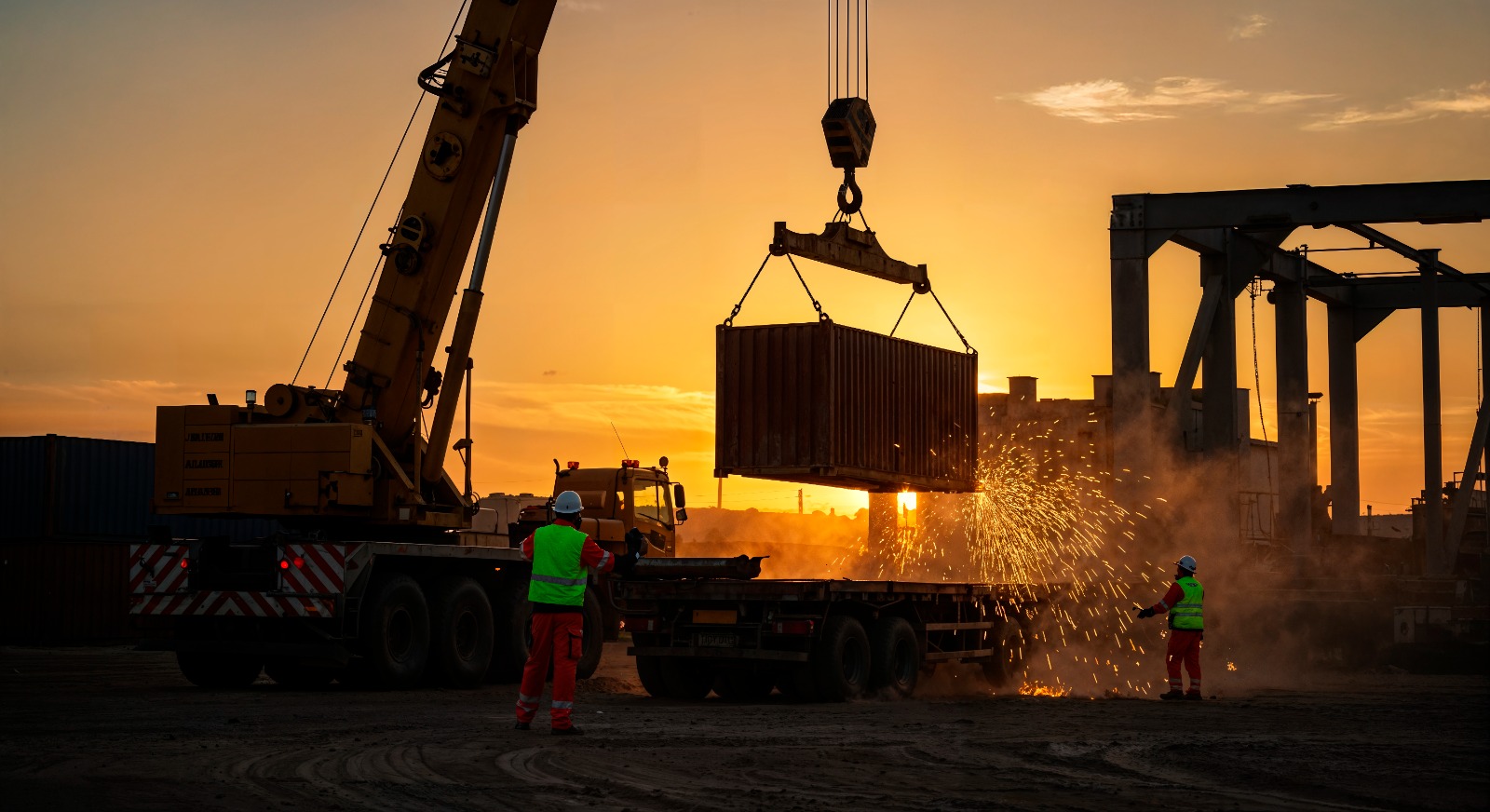
· Heavy lift, oversized cargo, and project logistics
· Port operations and bulk material handling
· Customs clearance processes and regulatory compliance
· Transportation cost optimization and route planning
· Managing logistics to remote and challenging locations
Module Four: Inventory, Warehousing & Material Handling at Mine Sites
· Inventory classification (critical spares, fast-moving, slow-moving, obsolete)
· Safety stock and reorder point planning for mining operations
· Warehouse layout and material handling equipment
· Storage of hazardous and sensitive materials
· Stock accuracy, cycle counting, and materials tracking
· Integration between warehouses, maintenance, and production
Module Five: Risk Management, Sustainability & Digitalization in Inbound Logistics
· Identifying inbound logistics risks in mining supply chains
· Managing disruptions, delays, and supply shortages
· Health, safety, and environmental (HSE) considerations
· Sustainable inbound logistics and carbon reduction initiatives
· Digital tools: ERP, tracking systems, and logistics dashboards
· Building a resilience logistics plan
· Simulations in logistics and AI agents
· Continuous improvement and future trends in mining inbound logistics
Accreditation
BTS attendance certificate will be issued to all attendees completing minimum of 80% of the total course duration.
Quick Enquiry
Request Info
Course Rounds
5 Days| Code | Date | Venue | Fees | Action |
|---|---|---|---|---|
| LOG139-03 |
2026-11-22
|
Dubai
|
USD
5450
|
Register |
Prices don't include VAT
Related Courses
Your Growth, Our Mission
Contact Us
Contact us to meet all your inquiries and needs, as our professional team is pleased to provide immediate support and advice to ensure you achieve your goals and facilitate your experience with us in the best possible way. UAE
UAE
 Office
Mobile
Office
Mobile
 E-mail
 Working
Hours
Working
Hours