
Course Details
Your Growth, Our Mission
Course Description
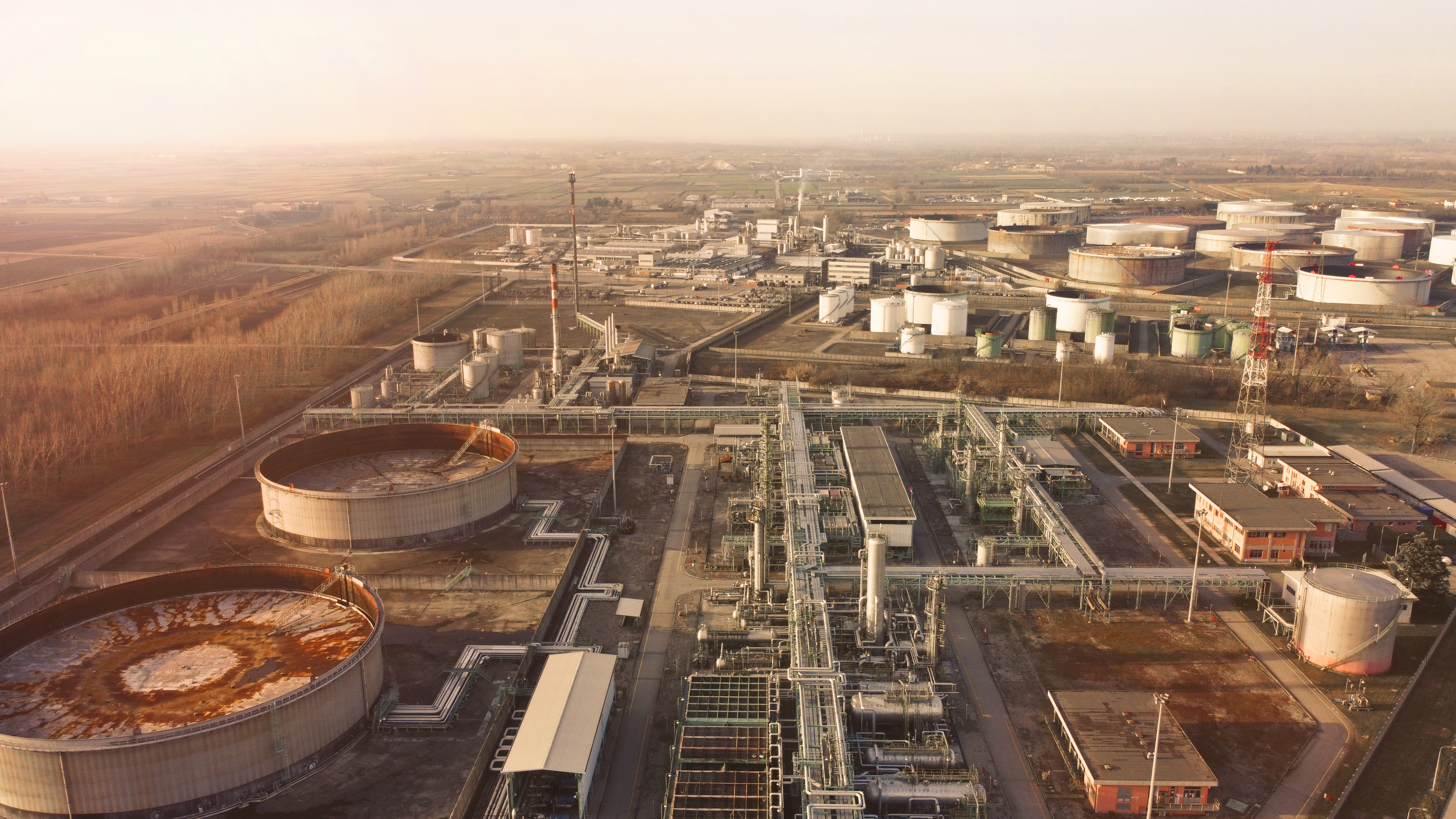
The development of Compressed Natural Gas (CNG) and Liquefied Natural Gas (LNG) facilities has surged as part of expanding alternative fuel infrastructure. As demand for greener and more efficient energy solutions increases, so does the necessity for CNG and LNG facilities. These facilities play a pivotal role in establishing the infrastructure needed for utilizing gaseous fuels as a viable alternative to other traditional fossil fuels such as gasoline, ultimately contributing to a more sustainable energy future.
The life cycle development of CNG and LNG facilities is a complex task requiring thorough preparation and careful attention to safety and operational requirements. Every stage of the process, from inception and economics through site selection and plant design to the installation of specialized equipment and optimized operation and maintenance, must comply with rigorous industry standards and regulatory guidelines. Using special equipment and materials, advanced construction methods and Operation and Maintenance procedures is essential to support facilities business economics and ensuring the reliability and efficiency of these facilities.
Participants in the CNG and LNG Facilities development training will focus on conducting periodic inspections that are crucial for the safety and functionality of the facilities. These inspections evaluate critical components such as storage tanks, pipelines, and compressors, helping to identify potential issues before they escalate into significant problems. This proactive approach enhances the overall safety and integrity of the facilities.
Throughout this course, participants will explore the development operations of CNG and LNG facilities, including site preparation, construction processes, and system integration. They will also investigate the inspection procedures necessary for maintaining the high safety and performance standards expected in the industry. As CNG and LNG facilities continue to be built, operated, and maintained, stakeholders will appreciate the significance of construction and inspection processes in promoting a clean energy future.
The Training Course Will Highlight ?
Training Objective
By the end of the training, participants should be able to:
Ø Understand safety and risk management practices.
Ø Emphasize the importance of Environmental Impact Assessments.
Ø Acquire skills for the installation and commissioning of specialized equipment.
Ø Ensure the safety and integrity of pipelines and storage tanks.
Ø Optimize the integration and testing of system components.
Ø Conduct various inspections and maintenance of equipment.
Ø Implement quality assurance and control measures.
Target Audience
Training Methods
Ø Workshops
Ø Group Discussions
Ø Interactive Presentations and Role Plays
Ø Equipment and Techniques Demonstrations
Ø Quizzes and Assessments
Daily Agenda
Course Outline:
Unit 1: Site Selection and Preparation
1. Overview and Initiation of CNG and LNG Facilities
2. Evaluate prospective sites for CNG and LNG facilities structures.
3. Examine geographical and environmental conditions.
4. Assess proximity to gas mains.
5. Prepare impact assessments and conduct risk evaluations.
6. Familiarize with zoning ordinances and land use regulations.
7. Establish and maintain construction parameters, including earthwork and installations.
8. Mitigate adverse environmental impacts.
Unit 2: Regulatory Compliance and Permitting
1. Identify relevant authorities and types of regulations at federal, state, and local levels.
2. Understand prerequisites for establishing CNG and LNG facilities.
3. Compile necessary documentation for permit applications.
4. Communicate effectively with regulatory authorities and agencies.
5. Ensure compliance with environmental legislation.
6. Define and adhere to safety regulations and procedures.
7. Manage timelines for evaluating and processing regulatory approvals.
Unit 3: Equipment Planning and Engineering Design
1. Investigate the development processes for CNG and LNG facilities.
2. Analyze infrastructure requirements for CNG and LNG services.
3. Develop layouts and technical drawings.
4. Recommend materials and equipment for construction.
5. Apply ergonomic principles in design.
6. Utilize computer-aided design (CAD) tools.
7. Study infrastructural models of existing CNG and LNG facilities.
Unit 4: Construction and Erection
1. Outline construction phases and timelines.
2. Oversee the assembly of tanks and compressors.
3. Implement preventive measures during pipeline construction.
4. Install alarms and monitoring instruments.
5. Collaborate with general and subcontracting teams.
6. Verify construction compliance with specifications.
7. Address various construction-related challenges.
Unit 5: Examination, Repair, and Quality Assurance
1. Conduct initial site inspections following construction.
2. Develop maintenance schedules and procedures for CNG and LNG facilities.
3. Perform routine checks on critical system components.
4. Identify and repair leaks or damage as needed.
5. Utilize modern technologies for maintenance.
6. Fulfill systematic quality assurance processes.
7. Track inspection and maintenance records effectively.
Unit 6: Safety and Risk Management
1. Assess risks associated with CNG and LNG facilities.
2. Develop safety policies and management plans.
3. Prepare personnel for emergency situations.
4. Implement effective fire prevention and control measures.
5. Identify risks and actions for risk mitigation.
6. Engage in practical exercises and scenarios.
7. Review safety incidents and case studies for evaluation.
Unit 7: Environmental Impact and Sustainability
1. Explore environmental considerations related to CNG and LNG.
2. Conduct environmental impact analyses.
3. Implement pollution prevention measures.
4. Address noise and air pollution levels.
5. Promote sustainable practices in CNG and LNG facilities design and management.
6. Develop waste disposal plans.
7. Engage with community stakeholders on environmental issues.
Unit 8: Advanced Equipment and Technology
1. Research recent advancements in CNG and LNG technologies.
2. Understand the main components of the facilities, including compressors, dispensers, and storage tanks.
3. Utilize control systems and automation technologies.
4. Adopt advanced diagnostic and predictive maintenance systems.
5. Encourage the use of energy-saving devices.
6. Analyze case studies involving new technologies.
7. Stay informed about trends and innovations in the field.
Unit 9: System Integration and Testing
1. Prepare for the integration of various facilities components.
2. Conduct comprehensive tests to verify system functionality.
3. Identify and resolve integration issues.
4. Assess the interaction between different systems and equipment.
5. Evaluate performance metrics post-testing.
6. Document findings and implement necessary corrections.
7. Ensure validation and acceptance of the system.
Unit 10: Operational Excellence and Continuous Improvement
1. Develop best practices for facilities operations.
2. Implement methods for improving management processes.
3. Assess facilities performance against established metrics.
4. Utilize research findings to drive improvement initiatives.
5. Focus on enhancing safety and efficiency practices.
6. Foster internal pacing and employee development.
7. Investigate and apply best practices in the field.
8. Life Cycle economics of LNG facilities.
Accreditation
BTS attendance certificate will be issued to all attendees completing minimum of 80% of the total course duration.
Quick Enquiry
Request Info
Related Courses
Your Growth, Our Mission
Contact Us
Contact us to meet all your inquiries and needs, as our professional team is pleased to provide immediate support and advice to ensure you achieve your goals and facilitate your experience with us in the best possible way. UAE
UAE
 Office
Mobile
Office
Mobile
 E-mail
 Working
Hours
Working
Hours