
Course Details
Your Growth, Our Mission
Course Description
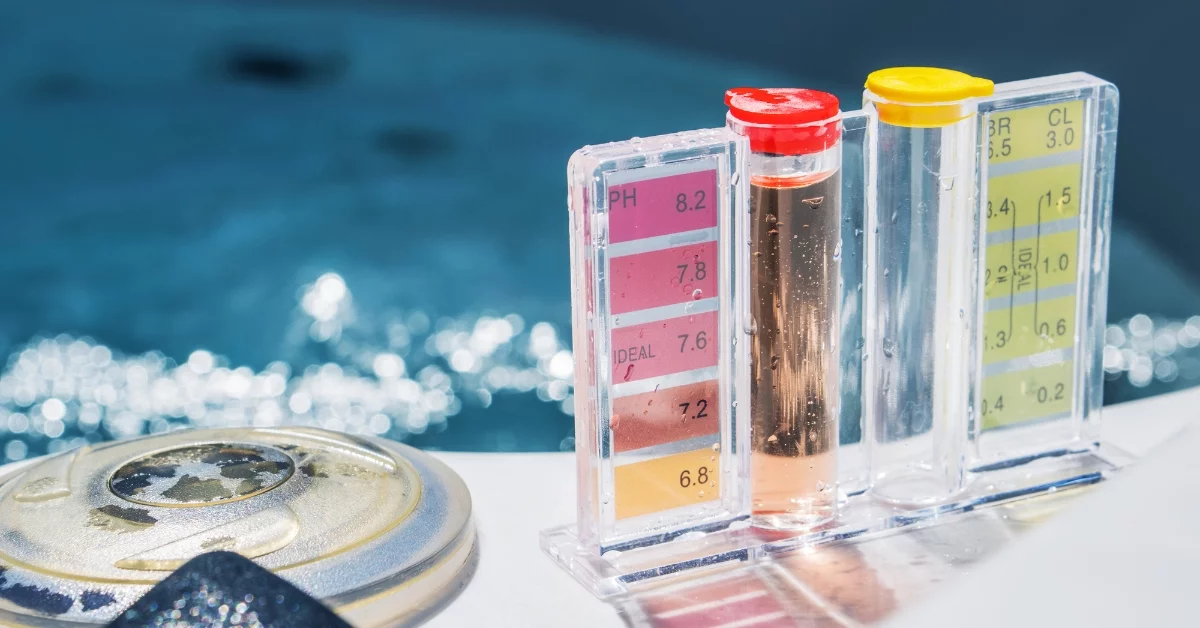
pH is a measure of the acidity or alkalinity of water. It is a crucial parameter as many chemical and biological processes in water are pH-dependent. The pH level directly affects the solubility of minerals, nutrient availability for aquatic life, and the effectiveness of water treatment processes.
Conductivity is a measure of the water's ability to conduct an electric current. It provides insights into the total dissolved ion concentration. Changes in conductivity can indicate the presence of dissolved salts, minerals, or pollutants. High conductivity may suggest contamination, while low conductivity may signal a lack of essential ions.
Understanding and monitoring pH and conductivity are essential components of a comprehensive water analysis program, providing valuable information for water quality management, environmental protection, and public health.
The Training Course Will Highlight ?
Training Objective
The Fundamentals of pH and Conductivity in Water Analysis course is designed to provide a comprehensive understanding of the principles, measurements, and applications of pH and conductivity in water. This course will equip participants with the necessary knowledge and skills to analyze water quality, assess its suitability for various purposes, and troubleshoot common issues related to pH and conductivity measurement.
AT THE END OF THE COURSE THE PARTICIPANTS WILL:
-
- Participants will acquire a thorough understanding of the principles, concepts, and techniques related to pH and conductivity in water analysis.
- Participants will be able to apply their knowledge in various practical settings, including environmental monitoring, industrial processes, and water treatment.
- Be able to use various methods used to measure pH.
- Gain a greet knowledge on calibration of pH and conductivity instruments.
- Be able to identify and address common issues associated with pH and conductivity measurements.
- Gain a greet knowledge about the applications of pH and conductivity measurements in different industrial processes and water treatment.
- Participants will understand the importance of quality assurance in water analysis and will be equipped with best practices to ensure the reliability of their results.
- participants will gain confidence in making informed decisions related to water quality management and treatment processes.
Target Audience
This course is designed for professionals involved in water quality testing, environmental monitoring, and industrial process control using pH and conductivity measurements:
-
- Water Quality Analysts & Environmental Scientists
- Laboratory Technicians (Environmental & Industrial Labs)
- Process & Quality Control Engineers
- Regulatory & Compliance Officers
- Field Technicians & Sampling Specialists
- Wastewater Treatment Plant Operators
- Academics & Researchers in Environmental Science
- Industrial Water Treatment Specialists
- Food, Environmental & Petrochemical Lab Personnel
Training Methods
A highly interactive combination of lectures and discussion sessions as well as case studies will be managed to maximize the amount and quality of information, knowledge, and experience transfer.
The sessions will start by raising the most relevant questions and motivating everybody to find the right answers. The attendants will also be encouraged to raise more of their questions and to share developing the right answers using their analysis and experience.
Course material through PowerPoint equipped with necessary animation, learning videos, and general discussions will be provided.
PERCENTAGE OF DELIVERY METHODOLOGIES
-
- 35% Presentation
- 30% Group & individual exercises
- 25% Case studies and role-plays
- 10% Active movies and videos
Daily Agenda
Introduction
-
- Water characteristics
- Water chemistry
- Ionization of Water
- Importance of water quality assessment
- Parameters influencing water quality
- Role of pH and conductivity in water analysis
pH Fundamentals
-
- Definition and significance of pH
- pH scale and pH range of different solutions
- Buffer solutions and their Mechanism
- Various methods used to measure pH
- pH Indicator Papers or Strips
- pH Test Kits
- Universal Indicator Solution
- pH Meter principle and method
- Glass Electrodes
- Silver/Silver Chloride Reference Electrodes
- Calomel Reference Electrodes
pH Good Laboratory Practices and Interpretation
-
- pH Calibration Controls
- Sampling Techniques for pH Analysis
- Interpretation of pH values
- maintenance of pH electrodes
- General Safety Guidelines when dealing with pH analysis
- good laboratory practices for data recording and analysis of pH
Conductivity Fundamentals
-
- Definition and importance of conductivity
- Conductivity units
- Conductivity and temperature
- Conductivity Interference
- Methods of measuring conductivity
- The cell constant
- Conductivity Probe
- Conductivity measurement principles
- 2-electrode measuring cells
- 4-electrode measuring cells
- Inductive principle
- conductivity measurement system
- Sample Measurement Procedure
Conductivity Good Laboratory Practices
-
- calibration of conductivity meter
- Maintenance of conductivity meter
- Factors affecting conductivity measurement accuracy
- Applications of conductivity measurement
- Conductivity measurement in high-purity water
- Sampling techniques for conductivity analysis
- good laboratory practices for data recording and analysis of conductivity
- Correlation between conductivity and Total Dissolved Solid (TDS)
- Conductivity and Salinity
- Relationship Between pH and Conductivity
- General Safety Guidelines when dealing with conductivity analysis
Accreditation
-
BTS attendance certificate will be issued to all attendees completing minimum of 80% of the total course duration.
Quick Enquiry
Request Info
Related Courses
Your Growth, Our Mission
Contact Us
Contact us to meet all your inquiries and needs, as our professional team is pleased to provide immediate support and advice to ensure you achieve your goals and facilitate your experience with us in the best possible way. UAE
UAE
 Office
Mobile
Office
Mobile
 E-mail
 Working
Hours
Working
Hours