
Course Details
Your Growth, Our Mission
Course Description
This course prepares participants to plan for, manage, and learn from crises and incidents at both strategic and operational levels. Through theory, practical exercises, and a full-day simulation, participants gain the confidence and skills to lead effectively under pressure, protect organisational interests, and maintain business continuity.
The training provides a structured approach to anticipating threats, responding to incidents, managing communications, and guiding teams through the entire crisis management cycle.
The Training Course Will Highlight ?
The training provides a structured approach to anticipating threats, responding to incidents, managing communications, and guiding teams through the entire crisis management cycle.
Training Objective
By the end of this training course, participants should be able to:
-
- Distinguish between incidents and crises, understanding escalation pathways and potential impacts.
- Identify essential elements of crisis preparedness, planning, and communication.
- Build and apply an incident management plan aligned with organisational priorities.
- Coordinate response activities, set priorities, and lead decision-making under pressure.
- Engage effectively with stakeholders, including media, staff, and external partners, during a crisis.
- Manage the transition from response to recovery, including staff welfare, operational continuity, and post-incident analysis.
- Practise crisis leadership skills in a structured tabletop simulation.
Target Audience
The course is designed for professionals involved in managing incidents or crises, including:
-
- Crisis Management Team (CMT) or Incident Management Team members
- Country or field leadership
- Security managers and advisors
- Operations managers and programme directors
- Business continuity and risk management staff
- Health, safety, and environment professionals
- Senior managers responsible for internal and external communications during a crisis
- Staff tasked with developing crisis management or crisis communication plans
Training Methods
The course combines presentations, group work, and case studies with practical simulations to ensure participants can apply lessons in real-life contexts. Learning methods include:
-
- Facilitator-led presentations to introduce frameworks and principles.
- Group discussions and activities to share experience and perspectives.
- A one-day tabletop simulation to practise decision-making in a crisis scenario.
- Structured exercises, roleplay, and review sessions to consolidate learning.
- Guided readings for further study and post-course reference.
Daily Agenda
Module 1: Crisis Management Concepts and Principles
-
- Definitions: incident vs crisis
- Organisational roles, responsibilities, and escalation paths
- Crisis management frameworks and key principles
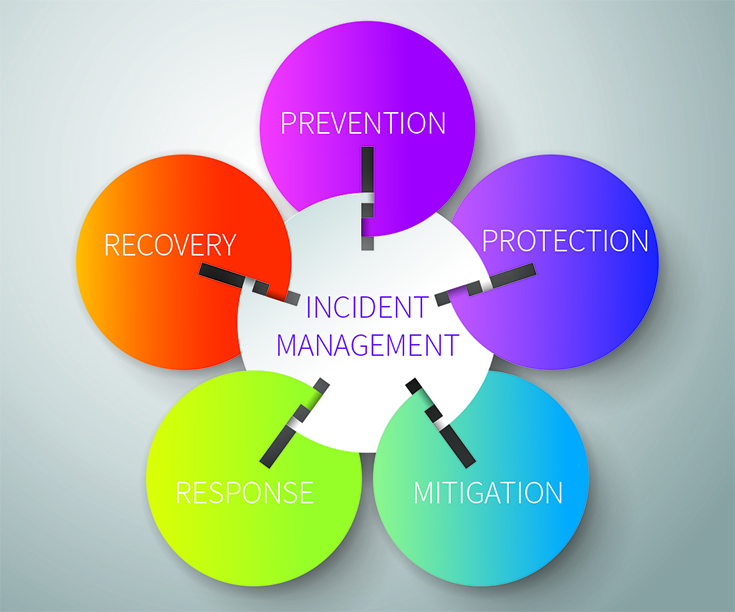
- Introduction to crisis lifecycle: prevention, response, recovery
Module 2: Anticipation and Preparedness
-
- Threat identification, risk assessment, and early warning indicators
- Crisis management planning: structures, facilities, and resources
- Developing escalation and activation procedures
- Roles and responsibilities of the Crisis Management Team
Module 3: Crisis Response and Coordination
-
- Decision-making under pressure
- Running a Crisis Management Team meeting: priorities, facts, and actions
- Managing multiple information sources and conflicting demands
- Integrating incident management with business continuity planning
Module 4: Crisis Communication and Stakeholder Engagement
-
- Building a crisis communication plan
- Managing internal and external communications
- Working with the media: messaging, spokesperson roles, and interviews
- Social media considerations in crisis response
Module 5: Simulation and Post-Crisis Review
-
- Full-day tabletop simulation exercise
- Analysing team decision-making and response effectiveness
- Recovery planning and return to normal operations
- Staff welfare and organisational resilience
- Lessons learned and continuous improvement strategies
Accreditation
-
BTS attendance certificate will be issued to all attendees completing minimum of 80% of the total course duration
Quick Enquiry
Request Info
Course Rounds
3 Days| Code | Date | Venue | Fees | Action |
|---|---|---|---|---|
| SEC139-04 |
2026-11-15
|
Cairo
|
USD
3500
|
Register |
Prices don't include VAT
Related Courses
Your Growth, Our Mission
Contact Us
Contact us to meet all your inquiries and needs, as our professional team is pleased to provide immediate support and advice to ensure you achieve your goals and facilitate your experience with us in the best possible way. UAE
UAE
 Office
Mobile
Office
Mobile
 E-mail
 Working
Hours
Working
Hours