

Course Details
Your Growth, Our Mission
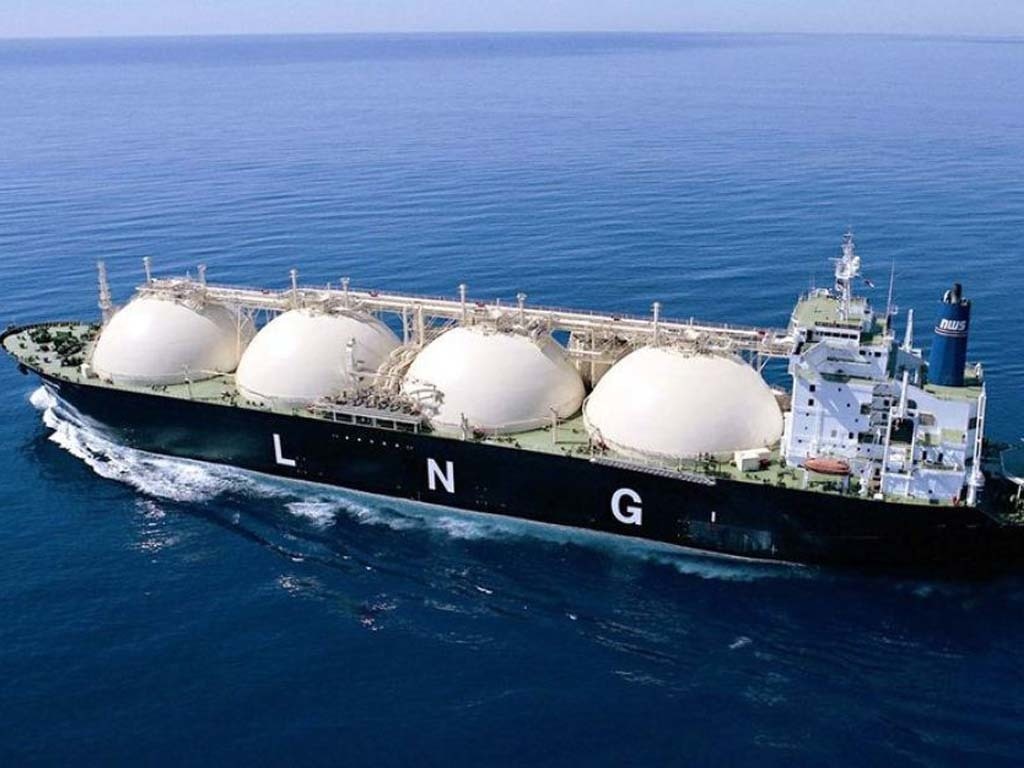
Course Description
This BTS LNG Technology and Production training course is designed for participants requiring moderate technical coverage coupled with information on LNG Technologies and Production and all parts of the LNG Value Chain.
The training course covers technical LNG basics, facility operation topics, technical production and design. Selected Case Studies, exercises and syndicates are used throughout the course that reinforces the main topics of LNG trade and technology. In-house versions are available with either increased technical and operational emphasis or increased project and development emphasis.
The Training Course Will Highlight ?
This training course will highlight:
- What is LNG, why it is produced, and what is the current status of the industry
- LNG facilities world-wide
- The LNG chain and impact of contractual issues on LNG plant design and operation; LNG pricing
- Large and Small-scale LNG Project costs, feasibility, development, and issues
- Some technical fundamentals of gas processing, such as vapour pressure, multi-component mixtures, thermodynamics, and cryogenics
- Technologies used in the production of LNG for base-load and small-scale production, issues relating to technology selection, and operation
- LNG Bunkering
- Main equipment used in the production of LNG: heat exchangers, compressors and drivers used for LNG, pumps, and turbo expanders
- To apply knowledge of LNG gas pre-treatment, drying, and refrigeration
- LNG storage, shipping, and terminals, sizing basis, and LNG ship tanks
- Types of LNG carriers, marine management issues, and LNG transfers
- LNG importing, re gasification of LNG and distribution to consumers
- New developments: development of off-shore LNG operations to re gasification and liquefaction
- Site selection and HSSE considerations
- What are the Goals?
Training Objective
You will learn the technical production techniques used in the LNG industry from around the globe including:
- What is LNG and where it comes from?
- Physical properties of LNG
- Vapours-liquid equilibrium behaviour of LNG and refrigerants
- Gas pre-treatment
- Refrigeration
- Liquefaction processes
- LNG Storage
- LNG Shipping
- LNG Importing
- LNG Bunkering Technology
- LNG Flammability and HSSE
Target Audience
This BTS training course is designed for:
- Commercial or managerial personnel
- Those involved in operational supervision
- Plant personnel or specialists
- Those looking to broaden their general knowledge in to the LNG sector
Training Methods
This interactive Training will be highly interactive, with opportunities
to advance your opinions and ideas and will include;
-
- Lectures
- Workshop & Work Presentation
- Case Studies and Practical Exercise
- Videos and General Discussions
Daily Agenda
Day One: LNG Production and Technologies - Fundamentals
- LNG industry
- Historical developments in LNG
- Current LNG facilities world wide
- Commercial LNG Chain, projects and trading routes
- Project studies and developments internationally
- LNG trading and production
LNG Technology and Production - Fundamentals
- LNG Gas and Engineering – The ‘Science’ of LNG
- Hydrocarbon Fundamentals, Gas and LNG composition and liquid vapor
- Gas Liquids and Hydrodynamics
- Trace elements and the chemical composition
- Mercury, Sulphur contaminates removal and purification
- Refrigeration principles and fluid dynamics
- LNG Cryogenics principles - simple and advanced
- Hose assemblies and pumps
Day Two: LNG Shipping Technologies
- LNG Ship Technical Operations
- LNG Ship Technology
- LNG Ship Loading and discharging Technology
- LNG STS – Ship to Ship
- Equipment and Testing
- LNG Ship to Ship – DELEGATE EXCERCISE
LNG Safety Standards and Codes of Practice
LNG Ship Spill Failure – Case Studies
- LNG Ship and Terminal Interface
- LNG Loading Arms
- LNG Carrier - Ship Auditing and Marine Surveying
Day Three: LNG Storage, Plant and Terminal Technologies
- LNG Safety, Environment and Hazards
- LNG Tanks and Boil Off Gases
- LNG Equipment and operations
- Floating LNG plants and production
LNG Port and Terminal Design and Construction – DELEGATE EXCERCISE
- LNG Commercial issues
- LNG Port and Terminal design frameworks
- Technical fundamentals
- Gas processing
- Major equipment - LNG
- Refrigeration and LNG liquefaction
- CAPEX
The Liquid/Gas Standards and LNG Process Chain Technologies
- Cargo transfer operations
- Liquid and Gas POAC management and LNG Terminal/Facility perspective
- LNG designs, standards, codes and guidelines on Liquid and Gas management systems
- Real LNG Case Studies from around the Globe concerning Liquid and Gas incidents
Day Four: LNG Bunkering Technology
- Hose and design Technology
- Bunkering safety design parameters
- Fuel efficiencies and design complications
- LNG Terminal/ LNG Barge/LNG Truck and Ship to Ship Bunkering design and technology
- LNG Bunkering and Naval Architecture
- LNG Quality and Quantity Controls and Testing Analysis
- Delegate Exercise – LNG Bunkering Processes
- LNG Bunkering Case Studies
Day Five: LNG Custody Transfer Measurement [Quality and Quantity] Technologies
- LNG – C.T M’s Systems and Equipment
- Liquid form measurements
- Volumetric measurements
- Temperature measurements
- Custody Transfer Measurement systems
- Dynamic Metering
- Ultrasonic Metering
- Vortex Metering
- Colirious Metering
- (CTMs) testing and checks
- LNG Custody Transfer Procedures
- LNG Flammability and HSSE
Accreditation
BTS attendance certificate will be issued to all attendees completing minimum of 80% of the total course duration
Quick Enquiry
Request Info
Course Rounds
5 Days| Code | Date | Venue | Fees | Action |
|---|---|---|---|---|
| PE221-04 |
2026-12-27
|
Dubai
|
USD
5450
|
Register |
Prices don't include VAT
Related Courses
Your Growth, Our Mission
Contact Us
Contact us to meet all your inquiries and needs, as our professional team is pleased to provide immediate support and advice to ensure you achieve your goals and facilitate your experience with us in the best possible way. UAE
UAE
 Office
Mobile
Office
Mobile
 E-mail
 Working
Hours
Working
Hours