
Course Details
Your Growth, Our Mission
Course Description
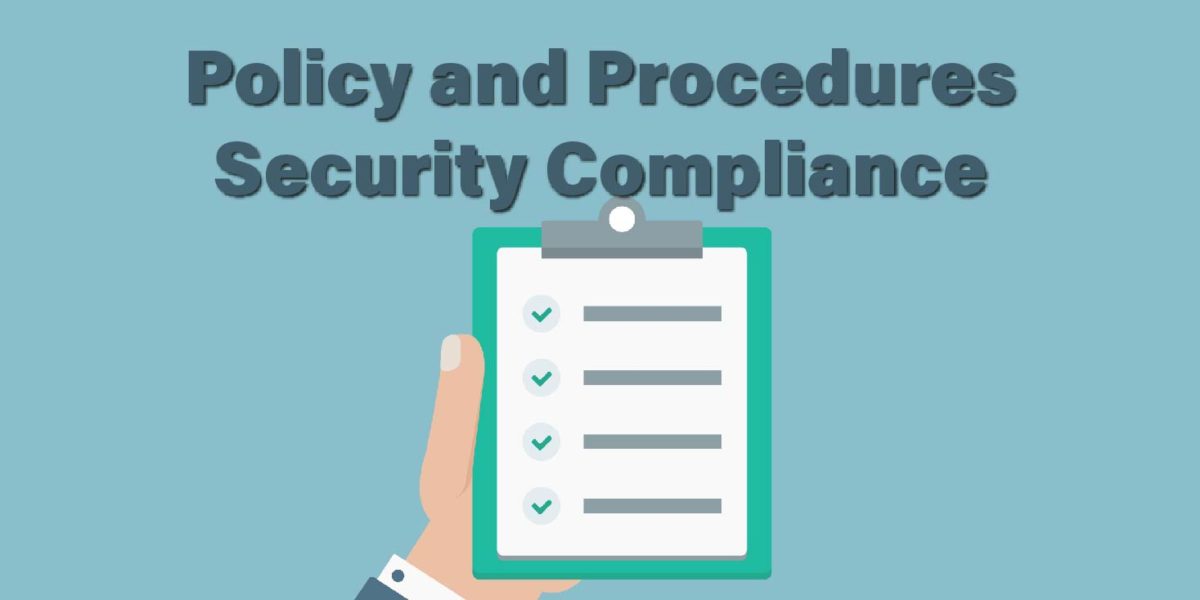
This course equips participants with the knowledge and skills to design, implement, and evaluate security policies and procedures for organisational security departments. It examines how security frameworks set standards for performance, legal compliance, and staff safety. Participants will learn to develop practical, enforceable policies and procedures that align with organisational objectives and respond to evolving security challenges.
The Training Course Will Highlight ?
Training Objective
By the end of this training course, participants should be able to:
-
- Explain the role and importance of security policies in organisational security management.
- Identify different types of security policies and procedures relevant to operational needs.
- Develop security policies tailored to organisational risks, legal requirements, and performance goals.
- Translate policy principles into clear, actionable procedures.
- Implement and communicate security policies effectively across departments.
- Monitor compliance and assess the effectiveness of security policies and procedures.
- Adapt security policies to changing threats, risks, and business requirements.
- Foster an organisational culture that prioritises security awareness and accountability.
Target Audience
-
- Security managers and supervisors
- Risk management professionals
- Compliance officers
- Facility managers
- Business owners and executives
- HR and operations managers with security oversight responsibilities
Training Methods
The course combines short lectures, group discussions, and case studies with practicalexercises. Participants will draft sample policies, review existing procedures, and simulate policy implementation and enforcement scenarios.
Daily Agenda
Module 1: Foundations of Security Policies and Procedures
-
- Role of policies in organisational security
- Key definitions: policy vs. procedure
- Legal and regulatory considerations in policy development
- Aligning policies with organisational objectives and risk appetite
- Building leadership and stakeholder support for security policies
- Types of security policies: operational, physical, personnel, and emergency
Module 2: Principles and Components of Security Policies
-
- Core elements of a security policy: scope, objectives, responsibilities, enforcement
- Writing clear, concise, and enforceable policy statements
- Standard Operating Procedures (SOPs): purpose and structure
- Relationship between policies, procedures, and security culture
- Codes of conduct, ethical considerations, and security behaviour standards
Module 3: Developing and Documenting Security Procedures
-
- Translating policy requirements into actionable procedures
- Procedures for access control, threat assessment, and incident response
- Reporting procedures and escalation protocols
- Integrating best practices and industry standards into security procedures
- Assignment instructions: drafting and implementation
- Developing a security plan and related documentation for organisational use
Module 4: Implementation and Enforcement
-
- Communicating security policies effectively across the organisation
- Training staff on security roles, responsibilities, and procedures
- Monitoring compliance through audits and performance assessments
- Addressing breaches of policy and managing corrective actions
- Role of leadership in policy enforcement and accountability
Module 5: Policy Review, Adaptation, and Continuous Improvement
-
- Conducting regular risk and threat assessments
- Reviewing policies after incidents or operational changes
- Updating policies to meet evolving risks, technologies, and regulatory requirements
- Measuring policy performance and impact on organisational security
- Creating a structured policy review and revision cycle
Accreditation
BTS attendance certificate will be issued to all attendees completing minimum of 80% of the total course duration
Quick Enquiry
Request Info
Course Rounds
5 Days| Code | Date | Venue | Fees | Action |
|---|---|---|---|---|
| SEC137-04 |
2026-11-30
|
Istanbul
|
USD
5950
|
Register |
Prices don't include VAT
Related Courses
Your Growth, Our Mission
Contact Us
Contact us to meet all your inquiries and needs, as our professional team is pleased to provide immediate support and advice to ensure you achieve your goals and facilitate your experience with us in the best possible way. UAE
UAE
 Office
Mobile
Office
Mobile
 E-mail
 Working
Hours
Working
Hours