
Course Details
Your Growth, Our Mission
Course Description
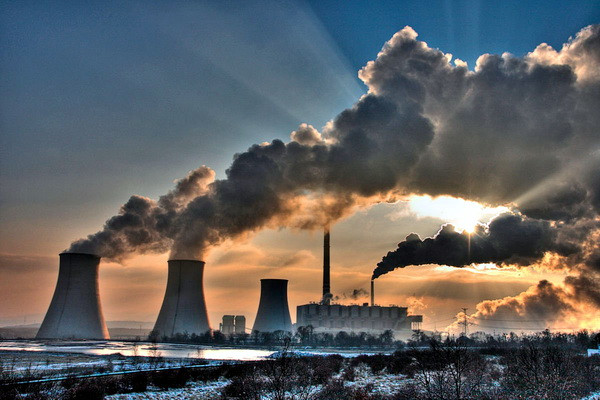
Industry will be facing increasingly stringent requirements to reduce air emissions to meet current regulations and the increasing pressure coming from enhanced public awareness on Global Warming.
The Training Course Will Highlight ?
What will be the new requirements and what should we be doing now is the focus of the Five-day workshop which brings together industry, environmental consultants, and the regulators to envision the upcoming requirements for the different industries, the available technologies and their best use with the objective of increasing industry’s preparedness to face the impending changes. By taking part in this workshop, you will enhance your understanding of the potential regulatory compliance requirements to implement the emission reductions.
Training Objective
By the end of this course delegates will be able to:
- apply prevention and control techniques with a thorough understanding of the emission formation process
- evaluate the effectiveness and select the most suitable emission reduction system for your requirements with the knowledge gained at the conference
- reduce cost by using the critical points in inspecting an emission control system for compliance with the required standards
- make assessment of the effectiveness of alternate technologies, plans, and specifications
- use effective methods for installation of emission reduction and control technologies already proven successful by others
Target Audience
- Plant managers
- facility engineers
- environmental and engineering consultants
- EHS managers and staff
- facility operators
- regulatory personnel
- environmental scientists
Training Methods
Daily Agenda
- Regulation related to air emissions
- Permitting and projects
- Emissions measurement and calculation
- Impact assessment – monitoring and modelling
- Estimation and reporting of GHGs
- Emission control system design
- Case studies
Module I
Introduction, Workshop Preview, Learning Outcomes and Assessment method
Regulation – Air Quality and Chemicals Management
- Introduction
- Air aspects of the Canadian Environmental protection Act
- Issues in Environmental Assessment
- Environmental emergencies and chemicals management
- Annual reporting requirements – NPRI
- The Federal Air Quality Management System (AQMS)
- Air standards and Base Industrial Limits (BLIERS)
- Airsheds and air monitoring
Permitting and Projects – Air Emissions Requirement
- Existing provincial regulations: triggers for assessment and approval
- Agency and sector requirements
- Standards and best practices
- Emission limits, notification requirements, compliance plan/schedule
- Technical requirements for assessment and approvals
- Codes of practice
- Air-related directives and guidelines
- Permit conditions, reporting
- Case Study
Emissions Measurement I - Source testing
- Equipment and Methods
- Problems and pitfalls
- Planning and reports
- Uncertainty
Emissions Measurement II - Continuous emissions monitoring (CEM) systems
- Installation and performance
- Data management and reports
- Audit and calibration
- RATA
- Missing data
Emissions Calculation
- Estimation methods and relative accuracy
- Emission factors – published and plant
- Mass balance
- Process methods - mass flow calculation
- Uncertainty
Group Exercises
Module II
Issues in Impact Assessment
- Impact standards
- Cumulative effects
- Factors affecting air emissions transport
- Deposition
Ambient Air Quality Monitoring
- Baseline data
- Sampling protocols
- Equipment
- Calibration and maintenance
- Data QA/QC
- Group Exercise – Ambient Monitoring
Modeling Air Quality
- Concepts in air dispersion modeling
- Screening and detailed Models
- Introduction to AERSCREEN, AERMOD and CALPUFF
- Input requirements
Dispersion Modeling
- Use of models in basic scenarios
- Regulatory guidance
- Setting up the model
- Problems and pitfalls
- Case study
GHG Assessment
- Standards and protocols
- GHG quantification methodologies
- Fuels and feedstocks
- Verification
Emissions Reporting
- Requirements for reporting
- Methods for Information Management
Module III
Emissions Reduction and Control
- What drives the level of reduction
- Pollution prevention
- Toxics removal and reduction requirements
Integrating Emission Control Design
- Choosing a control technology
- BACT/MACT assessment process
- Effective emissions capture and transport
- Fans and exhaust system design considerations
Issues around Particulate
- Particulate sizing and its impact on control
- Dealing with fine particulates
- Control efficiency
- Secondary particulate
- Control systems selection
- Operations issues
- Fugitive dust
- Case study
Combustion and Combustion Gases
- Aspects of combustion
- Fuels
- Combustion Gases (NOx, SO2 and CO)
- Emissions controls
- Hybrid control systems
- Mercury, dioxins and furans
- Case study
VOCs and Odour
- Types of sources
- Drivers for choice of control system
- Design parameters
- Control systems and selection
- Odor Episodes
- Regulation
- Assessment and management
- Case study
- Final Discussion and Closure
Accreditation
BTS Consultant Certificate will be issued to all attendees completing minimum of 75% of the total tuition hours of the workshop.
Quick Enquiry
Request Info
Related Courses
Your Growth, Our Mission
Contact Us
Contact us to meet all your inquiries and needs, as our professional team is pleased to provide immediate support and advice to ensure you achieve your goals and facilitate your experience with us in the best possible way. UAE
UAE
 Office
Mobile
Office
Mobile
 E-mail
 Working
Hours
Working
Hours