
Course Details
Your Growth, Our Mission
Course Description
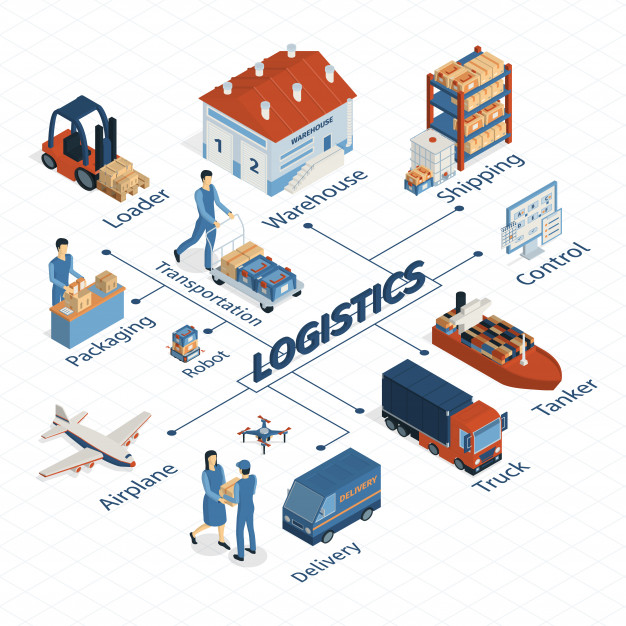
This course provides an overview of contemporary logistics management and technology issues. In addition, the course is reviewing the role of logistics in business and its increasing strategic importance in global supply chains, and emphasizing how the technology influencing the overall logistics activities in the industry.
The Training Course Will Highlight ?
Training Objective
After accomplishing the course the applicants will be able to:
- Demonstrate the core of logistics business
- Design logistics networks
- Evaluating Logistics Investments
- Managing the logistics activates effectively
- Apply the technology within the logistics operations
Target Audience
Logistics consultants, Logistics and Financial managers, Account and operations managers for Third-Party Logistics providers.
Training Methods
This interactive Training will be highly interactive, with opportunities to advance your opinions and ideas and will include;
- Lectures
- Workshop & Work Presentation
- Case Studies and Practical Exercise
- Videos and General Discussion
Daily Agenda
Day 1: Logistics and the Supply Chain
- Definition of logistics
- The economic importance of logistics
- Recent events and their influences on logistics practices
- Logistics practices within a firm
The Supply Chain Management Concept
- Supply chains and their management
- Differences between transactional and relational exchanges
- The importance of leveraging technology
- Barriers to supply chain management
Logistics and Information Technology
- The importance of effective and efficient utilization of information for logistics
- General types of information systems and their logistical applications
- The impact of electronic commerce on channel design
- Key differences between the logistics of e-fulfillment and the logistics of traditional fulfillment
Day 2: Demand Management, Order Management and Customer Service
- Firm processes incoming orders
- The importance of customer service to a firm’s marketing activities
- The role of logistics in the customer service area
- Customer service standards (specific and measurable)
- Customer service program establishment
- Protective Packaging and Materials Handling
- Product features affect packaging and materials handling
- The functions performed by protective packaging
- The utilization of unit loads in materials handling
- The environmental protection movement and its impact on packaging and package choice
- Materials handling principles
Transportation
- Modes and Means of transport
- The use of routing guides
- The role of freight forwarders and other intermediaries
- The use of terminals as transfer points for bulk materials
- The background of the transportation management function
- The functions of transportation management
- The role negotiations play in the transportation management function
- The new options available for private carriage
- The purpose of freight consolidation
Day 3: Distribution Center, Warehouse, and Plant Location
- The screening or focusing concept of plant/warehouse location
- The major factors that influence location decisions
- The general process of determining the optimum number of facilities
- The systems to determine the location that minimizes transportation costs
- Site’s specialized location characteristics
- Free trade zones
Inventory Management
- The costs of holding inventory
- The costs associated with a stock out
- The EOQ concept
- The various inventory flow patterns
- The role of scanners in inventory control
Day 4: Warehousing Management
- The role of warehouses and distribution centers in a logistics system
- The various types and functions of warehouses
- different types of handling equipment available
- issue of employee safety in warehousing
- various alternatives available in warehouse design
Procurement
- The relationship between supply management and logistics
- Steps in selecting a supplier
- potential of e-procurement
- Quality programs
Day 5: International Logistics
- Reasons for governmental intervention in the area of international trade
- Unique activities of international trade specialists
- Issues involved in international air transportation
- Activities involved in international ocean transportation
Logistics Systems Controls
- The use of accounting techniques for logistics system control
- worker productivity issue
- Problems and solutions involved in a product recall
- Reducing pilferage, organized theft, and vulnerability to terrorist activity
Organizing and Analyzing Logistics Systems
- The problems and opportunities involved in systems analysis
- The importance of industry standards to systems analysis
- The steps involved in redesigning a logistics system
- Techniques for achieving logistics coordination and integration
- The centralized and decentralized logistics organizations
- Outsourcing logistics activities
Accreditation
BTS attendance certificate will be issued to all attendees completing minimum of 80% of the total course duration.
Quick Enquiry
Request Info
Course Rounds
5 Days| Code | Date | Venue | Fees | Action |
|---|---|---|---|---|
| LOG120-05 |
2026-10-11
|
Dubai
|
USD
5450
|
Register |
| LOG120-01 |
2027-01-10
|
Cairo
|
USD
5450
|
Register |
| LOG120-02 |
2027-04-18
|
Manama
|
USD
5450
|
Register |
| LOG120-03 |
2027-08-02
|
London
|
USD
6950
|
Register |
| LOG120-04 |
2027-12-05
|
Dubai
|
USD
5450
|
Register |
Prices don't include VAT
Related Courses
Your Growth, Our Mission
Contact Us
Contact us to meet all your inquiries and needs, as our professional team is pleased to provide immediate support and advice to ensure you achieve your goals and facilitate your experience with us in the best possible way. UAE
UAE
 Office
Mobile
Office
Mobile
 E-mail
 Working
Hours
Working
Hours