

Course Details
Your Growth, Our Mission
Course Description
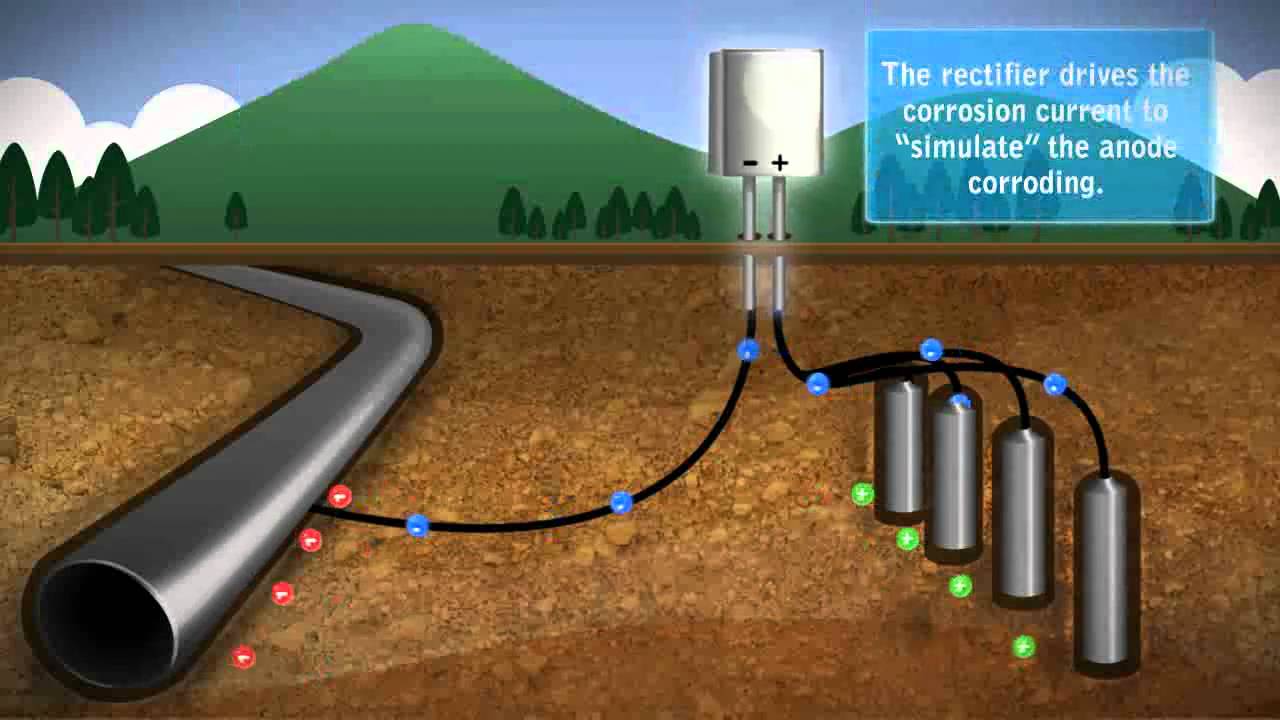
The aim of this workshop is to provide participants with a solid grounding in Applied Cathodic Protection Engineering. This workshop provides theoretical knowledge and fundamentals for testing on both sacrificial and impressed current Cathodic Protection systems for a wide range of industrial structures including buried and subsea pipelines, storage tanks, petrochemical plants and concrete structures. Further, the workshop involves lectures and case studies describing equipment and instruments used in Cathodic Protection testing Objectives.
An advanced course to develop the engineers and operators deals in cathodic protection systems about:
• Cathodic protection principles.
• Design criteria.
• Cathodic protection design system.
• Monitoring of the cathodic protection system.
• Maintaining of the cathodic protection system.
• Special cathodic protection system problems and solve.
The Training Course Will Highlight ?
Training Objective
Target Audience
Engineers and operators who deals with cathodic protection and all corrosion departments for chemical, petrochemical, oil, gas and plant equipments and pipelines.
Training Methods
This interactive Training will be highly interactive, with opportunities to advance your opinions and ideas and will include;
- Lectures
- Workshop & Work Presentation
- Case Studies and Practical Exercise
- Videos and General Discussions
Daily Agenda
Cathodic protection principles:
- Reasons for cathodic protection
- Reasons why metals corrode
- Factors that affect corrosion rate of underground and marine
- structures
- How cathodic protection works
- Calculating current requirements
Design criteria for Cathodic protection systems:
- Operations and applications of galvanic anode systems
- Calculating galvanic anode driving potential
- Calculating circuit resistances of galvanic anode systems
- Operation and applications of impressed current systems
- Selecting impressed current anode bed sites
- Calculating maximum driving voltages for dc power sources
- Calculating circuit resistances of impressed current systems
Designing cathodic protection systems
- Designing cathodic protection systems for buried pipelines
- Designing cathodic protection systems for onshore well casings
- Designing cathodic protection systems for vessel and tank interiors
- Designing cathodic protection systems for in-plant facilities
- Designing cathodic protection systems for marine structures
Monitoring cathodic protection systems:
- Locating buried pipelines
- Measuring structure-to-electrolyte potential
- Measuring cathodic protection current
- Performing a well casing survey inspecting the condition and
- operation of a cathodic protection rectifier
Maintaining cathodic protection systems
- Ensuring adequate protection of buried pipelines
- Ensuring adequate protection of onshore well casings
- Ensuring adequate protection of vessel and tank interiors
- Ensuring adequate protection of in-plant facilities
- Ensuring adequate protection of marine structures
Special operating problems
- Recommending corrective actions to reduce the effects of interference
- Recommending corrective actions to reduce the effects of electrical shielding
- Recommending corrective actions to reduce the effects of coating defects
- Locating a short circuit in a cased crossing
Accreditation
BTS attendance certificate will be issued to all attendees completing a minimum of 80% of the total course duration.
Quick Enquiry
Request Info
Related Courses
Your Growth, Our Mission
Contact Us
Contact us to meet all your inquiries and needs, as our professional team is pleased to provide immediate support and advice to ensure you achieve your goals and facilitate your experience with us in the best possible way. UAE
UAE
 Office
Mobile
Office
Mobile
 E-mail
 Working
Hours
Working
Hours