

Course Details
Your Growth, Our Mission
Course Description
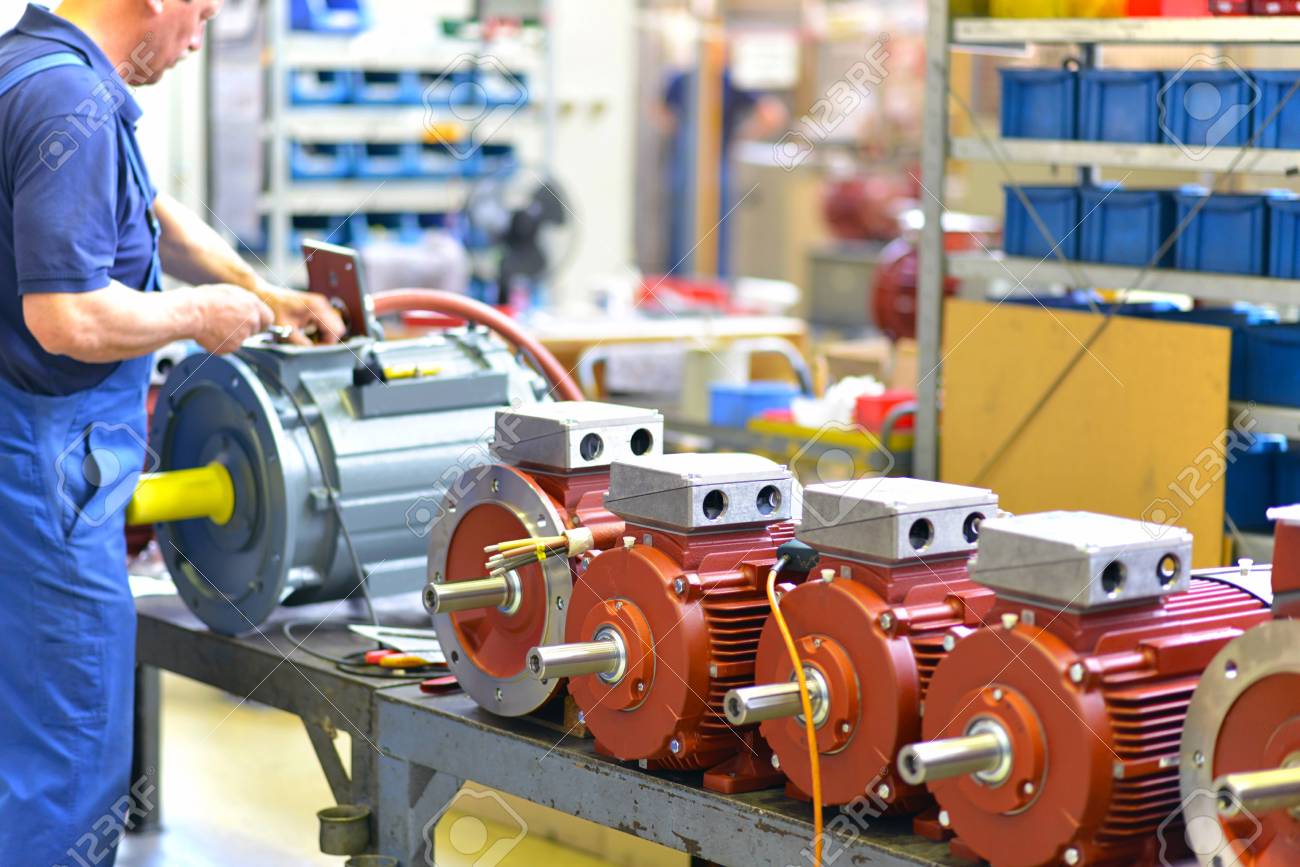
This course of Electrical Motors overviews the design, construction, component and different types of motors, and covers selection criteria of motors. The course include operation, maintenance, testing and inspection tools and methods of protection systems of motors, also recognize the procedure and standard used for motors designed for hazard area. The course will include electronic circuits for motor control, power factor correction, and harmonics, and power electronic circuits and motor control design, application, starters, methods of starting and the variable frequency drives.
The Training Course Will Highlight ?
Training Objective
By the end of this training course, participants should be able to:
- Understand Ac electrical motor types and construction.
- Understand the Different motors design and theory of operation.
- Be Aware with different voltage levels for motors (MV / LV).
- Be familiar with motors installed in hazard area in Oil & Gas plant.
- Know How to Select and Size the Motor for Most Applications
- Know The Common Reasons for Motor Failures with Several Practical Examples
- Know What to Do When the Motor Fails.
- Know How to Predict the Likelihood of a Future Motor Failure
- Understand electric drives power circuits.
- Be familiar with speed control methods of AC motors including variable speed drives
- Understand electronic circuits for motor control.
- Understand The Required Maintenance of The Motor.
- Know How to Protect the Motor Using Overload Relays, Temperature Relays, Vibration Monitors and Other Protective Devices.
- Know How to generate Datasheet for motors.
- Know the New designs/types in motors industry.
Target Audience
Electrical engineers, supervisors and technicians
Training Methods
- Presentation
- Case study
- Life examples
- Video Demo
- Group Discussion
- Workshop
Daily Agenda
Module One:
Introduction
- Basic Motor Control Theory
- AC Induction Motors
- Single phase motors
- Three phase motors
- Synchronous motors
- Difference between synchronous and Asynchronous motors
- Wound Rotor motors
- DC motors
- Motors construction
- Motors equivalent circuit
Motor Control
- Motors speed / torque characteristics
- Motors control
- Speed control of motors
- Variable speed drives
- Starting methods for motors
- Hazard area classification
- Motors classified for oil & gas fields
- Motors operation and selection
- Motors termination
- Protection of electric motors
- Troubleshooting of motors
Module Two:
- Nameplate data
- Motors classified for oil & gas fields
- Motors operation control circuit
- Protection of electric motors
- IEC & NEC motor ratings
- Motors efficiency
- Energy considerations
- Select motors from product catalogue
- Sizing line conductors Sizing fuses and overloads
- Using nameplate data for proper connections
- Selecting the best method of motor termination
- Lugs and insulation tapes for termination
- Termination kits
- Methods of verifying proper phase rotation
- Selecting the best method of motor termination
Module Three:
Condition Monitoring And Diagnostics
- Partial Discharge
- insulation Resistance Monitoring
- Correction for Winding Temperature
- Insulation Contamination
- IR Test Connections
- Typical IR Testing Program
- DC HI-POT TEST
- Maximum Allowable Test Voltage
- Measuring Insulation Degradation
- Capacitive Charging Current
- Resistive Leakage Current
- Insulation Power Factor
- Insulation Power Factor Standards
- Power Factor Test Sets
- Outage for Scheduled Maintenance
- On Line Measuring Partial Discharge Activity (PDA) For Insulation
- Motor Current Signature Analysis (MCSA)
Module Four:
Maintenance of MV Induction Motors
- Maintenance Requirements
- Cleaning Motors
- Care of Stator Windings
- Care of Rotor Winding
- Motor Shaft Currents
- Inspecting Motor Bearings.
- Different Electrical Testing.
- Electrical Preventive Maintenance Work Instructions.
- Troubleshooting Electric Motors.
- Motor Failures
- Insulation failure
- Over-current/overloading
- Cable box failure
- Rotor burnout
- Bearings
- Vibration
- Induction Motors Troubleshooting Guide
- Motors and Electrical safety
Module Five:
MV Motor Protection
- Introduction
- Motor characteristics involved in protection
- General motor protection
- Phase Fault Protection
- Differential Protection
- Ground-Fault Protection
- Thermal And Locked-Rotor Protection
- Locked-Rotor Protection for Large Motors (21)
- System Unbalance and Motors
- Unbalance And Phase Rotation Protection
- Under-voltage Protection
- Repetitive Starts and Jogging Protection
- Multifunction Microprocessor Motor Protection Units
- Practical Considerations of Motor Protection
- Effect On System of Starting a Large Motor
- repeated starting
- Motor Starting Currents
- Achieving Short-Circuit Protection
- Motor Damage
- Motor Operation at Reduced Voltage
- De-rating due to unbalanced currents
- Determination of sequence currents
- Unbalanced supply voltages and single phasing.
Accreditation
BTS attendance certificate will be issued to all attendees completing a minimum of 80% of the total course duration.
Quick Enquiry
Request Info
Related Courses
Your Growth, Our Mission
Contact Us
Contact us to meet all your inquiries and needs, as our professional team is pleased to provide immediate support and advice to ensure you achieve your goals and facilitate your experience with us in the best possible way. UAE
UAE
 Office
Mobile
Office
Mobile
 E-mail
 Working
Hours
Working
Hours