

Course Details
Your Growth, Our Mission
Course Description
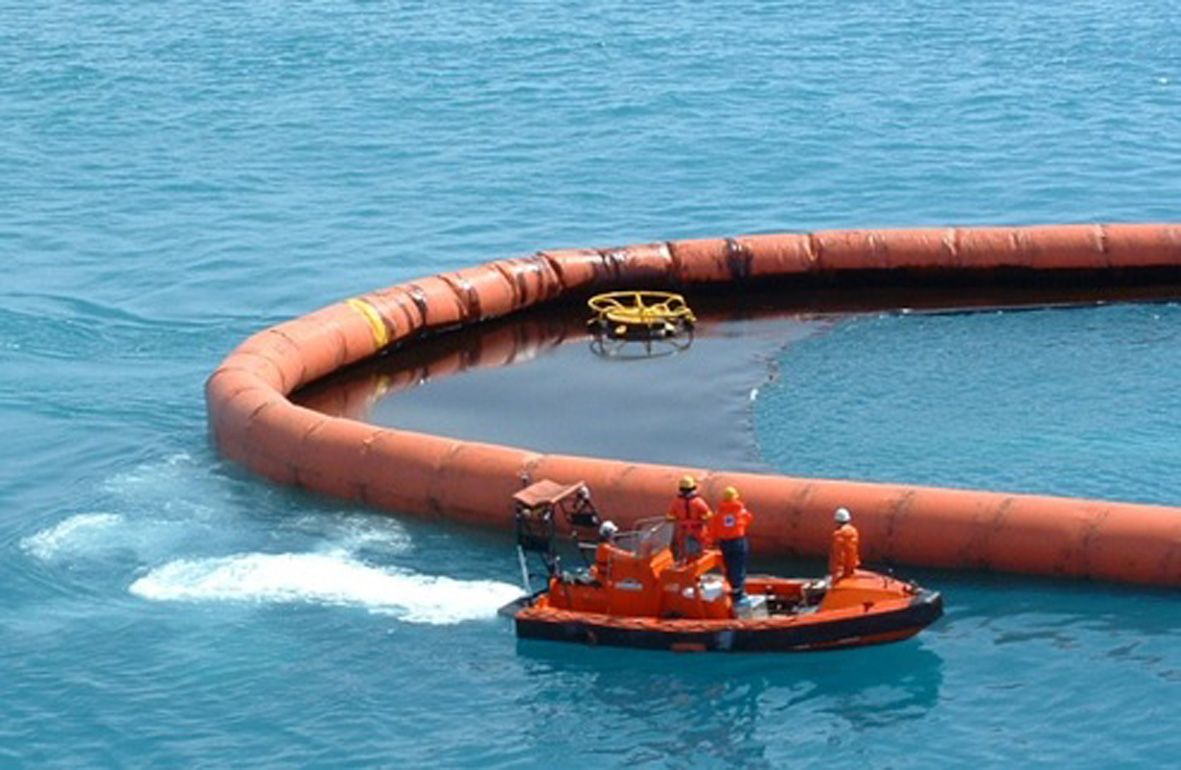
Oil is a complicated compound consists mainly of hydrogen, carbon and sulfur. Sulfur compounds have Poisonous characters and have ability to dissolve in water that harms marine organisms and changes the marine environment. This course will give sound overview of oil spill risk, prevention, response and clean-up, in order to increase awareness and understanding of the best practices relating to the recognition of Oil Spill Hazards, Causes, Fate and Strategies for dealing with oil spills.
The pollution prevention is everyone's job.
The Training Course Will Highlight ?
Training Objective
This program has been tailored to provide participants with the skills and knowledge required to Oil Spill Response, in order to reduce the effect of spillage, Combat the marine oil pollution and Cleaning of beaches.
By the end of this training, participants will have a thorough understanding of the principles of Oil Spill Response and Contingency Planning.
Target Audience
Any participants want to gain a basic understanding of marine Oil pollution, Combating strategy, combating equipment’s and cleanup practices.
Training Methods
This interactive Training will be highly interactive, with opportunities to advance your opinions and ideas and will include;
- Lectures
- Workshop & Work Presentation
- Case Studies and Practical Exercise
- Videos and General Discussions
Daily Agenda
Oil Spill Health & Safety Issues
- Basic rules for workers (HSE site plan).
- Communications and signals.
- Fire and Explosions
- Hazardous atmospheres and selected contaminants
- Cleaning solvents, Remediation Chemicals and Dispersants
- Heat and cold stress and first aid
- Protective equipment and clothing
- Respiratory protection and confined spaces
- Transportation safety – Land, Sea and air
Physical & Chemical Properties Of Oil
- Causes of spills by size
- Properties of Oil
- Hazards associated with oil spills
- Oil Spill Risk
- Fate of Spilled Oil
- Surface movement of oil at sea
Contingency Planning
- Benefits of implementing and developing contingency plan
- Response according to spillage level
- Sensitivity maps preparation
- Equipment and supplies
- Oil recovery management
International Convention
- MARPOL 73/78
- PARCELONA 76
- Protection of red sea & Eden gulf 1982
Spill Evaluation
- Causes of spills by size
- Oil Spill observation and surveillance
- Estimating the amount spilled
- Oil Spill Volume
Policy of Response
- Response Priorities
- Cleanup Priorities
Spill management
- Oil spill combating equipment
- Offshore and Near Shore cleanup
- Principles of using Booms: Design, Selection and uses limitations, Deployment and Configuration.
- Booming at Sea
- Effects of currents on boom angle
- Shoreline booming
- Use of booms
- Components of a boom
- Boom types and selection
- Boom deployment guidelines
- Skimmer selection matrix
- Skimmer types
- Vacuum trucks
- Floating tanks
- Pumps
- Sorbents
Dispersant
- What is a dispersant?
- Mechanism of chemical dispersion
- Advantages and disadvantages
- Application guidelines
- Dispersant effectiveness
- Aircraft
Shoreline Cleanup
- Sensitivity
- Shoreline protection techniques
- Exclusion booming
- Diversion booming
- Sorbent booming and barriers
- Types of beaches and cleanup
- Environmental impact of oil spill
Accreditation
BTS attendance certificate will be issued to all attendees completing minimum of 80% of the total course duration.
Quick Enquiry
Request Info
Course Rounds
5 Days| Code | Date | Venue | Fees | Action |
|---|---|---|---|---|
| HSE197-05 |
2026-11-29
|
Dubai
|
USD
5450
|
Register |
| HSE197-01 |
2027-01-31
|
Dubai
|
USD
5450
|
Register |
| HSE197-02 |
2027-06-20
|
Casablanca
|
USD
5950
|
Register |
| HSE197-03 |
2027-08-08
|
Cairo
|
USD
5450
|
Register |
| HSE197-04 |
2027-12-05
|
Jeddah
|
USD
5450
|
Register |
Prices don't include VAT
Related Courses
Your Growth, Our Mission
Contact Us
Contact us to meet all your inquiries and needs, as our professional team is pleased to provide immediate support and advice to ensure you achieve your goals and facilitate your experience with us in the best possible way. UAE
UAE
 Office
Mobile
Office
Mobile
 E-mail
 Working
Hours
Working
Hours